
Discover Paraguay's Hidden Dating Gems: Traditional Hearts & Bilingual Charm
Connect with 6,500+ authentic Paraguayan women who blend Guaraní indigenous heritage with Hispanic tradition, offering genuine warmth and family devotion
Featured Paraguayan Women: Authentic Beauty & Traditional Values

Carolina, 27
Asunción, Paraguay
Miriam, 25
Ciudad del Este, Paraguay

Graciela, 29
Encarnación, Paraguay
Natalia, 26
Asunción, Paraguay

Liliana, 30
San Lorenzo, Paraguay
Beatriz, 28
Luque, Paraguay

Claudia, 24
Fernando de la Mora, Paraguay

Rosa, 31
Capiatá, Paraguay
Why Paraguayan Women Are Latin America's Hidden Gems
Paraguayan women dating represents one of Latin America's best-kept secrets for American men seeking genuine traditional values, deep family devotion, and humble warmth without pretense or materialistic expectations. With over 6,500 verified Paraguayan singles on our platform from Asunción, Ciudad del Este, Encarnación, and throughout Paraguay's interior, you'll discover women who've preserved traditional femininity and family-centered values that have eroded in more modernized Latin American countries. Paraguayan women uniquely combine bilingual Guaraní-Spanish heritage creating distinctive cultural worldview, traditional femininity without demanding Princess treatment, profound family devotion as life's central purpose, genuine humility and lack of pretentiousness, deep Catholic faith shaping moral framework, and strong community bonds extending beyond immediate family-creating authentic partners who prioritize relationship substance over superficial attractions.
Paraguay stands apart as one of only two officially bilingual nations in the Americas (alongside Canada), with both Spanish and Guaraní holding equal official status. This linguistic duality reflects Paraguay's unique cultural identity-a genuine blend of indigenous Guaraní and Hispanic traditions rather than conquest culture that simply imposed European values on native populations. Approximately 85% of Paraguayans speak Guaraní fluently alongside Spanish, creating a population connected to indigenous roots while fully participating in modern Hispanic culture. This bilingual identity shapes how Paraguayan women view relationships, family, and values, creating distinctive dating culture unlike anywhere else in Latin America.
Traditional Femininity in the Modern World
Paraguayan women have preserved traditional feminine values and gender role expectations that feel increasingly rare in 2026's dating landscape. They genuinely embrace feminine roles including nurturing, supporting partners, creating warm homes, and prioritizing family over career ambitions-not from oppression but from cultural pride in traditional womanhood. Paraguayan women view being good wives and mothers as highest callings rather than settling for less than their potential. This traditional orientation emerges naturally from culture rather than performance to attract foreign men, creating authenticity that American men find refreshing after dating women who view traditional femininity as outdated or demeaning.
This traditional femininity manifests in practical ways throughout dating and relationships. Paraguayan women excel at domestic arts including cooking traditional foods, maintaining clean organized homes, sewing and crafts, creating welcoming environments for family gatherings, and managing household affairs efficiently. They take pride in these skills and genuinely enjoy creating comfortable homes for loved ones. Unlike more feminist-influenced Latin American women who might resent domestic expectations, Paraguayan women embrace these roles as integral to their identity and sources of satisfaction and pride. For American men who value traditional partnership dynamics, Paraguayan women offer what's become nearly impossible to find domestically.
Despite this traditional orientation, Paraguayan women aren't submissive doormats or lacking personality. They have strong opinions, fierce loyalty, protective instincts for family, and deep inner strength forged through Paraguay's historically difficult circumstances. Their traditionalism exists alongside genuine warmth, intelligence within their educational contexts, strong work ethic, and practical problem-solving abilities. They simply channel these qualities toward family and relationship success rather than individual career ambitions or competition with men. This balanced traditional femininity combines the best of traditional values with modern realities, creating partners who enhance rather than compete with masculine energy.
"My wife Carolina embodies everything I'd given up finding-genuine traditional values without any games or pretense. She takes pride in keeping our home beautiful, cooking incredible Paraguayan food, and creating this warm loving environment I never experienced in my first marriage to an American woman who viewed domestic contributions as beneath her. Carolina doesn't see housework as oppression-she sees it as love language and takes genuine satisfaction in taking care of our family. That's not brainwashing or backwardness like some people claim; it's her cultural identity and she's genuinely happy. I finally found a true partner who complements rather than competes with me." - Michael, 52, married to Carolina from Asunción for 3 years
Humility and Genuine Warmth Without Pretense
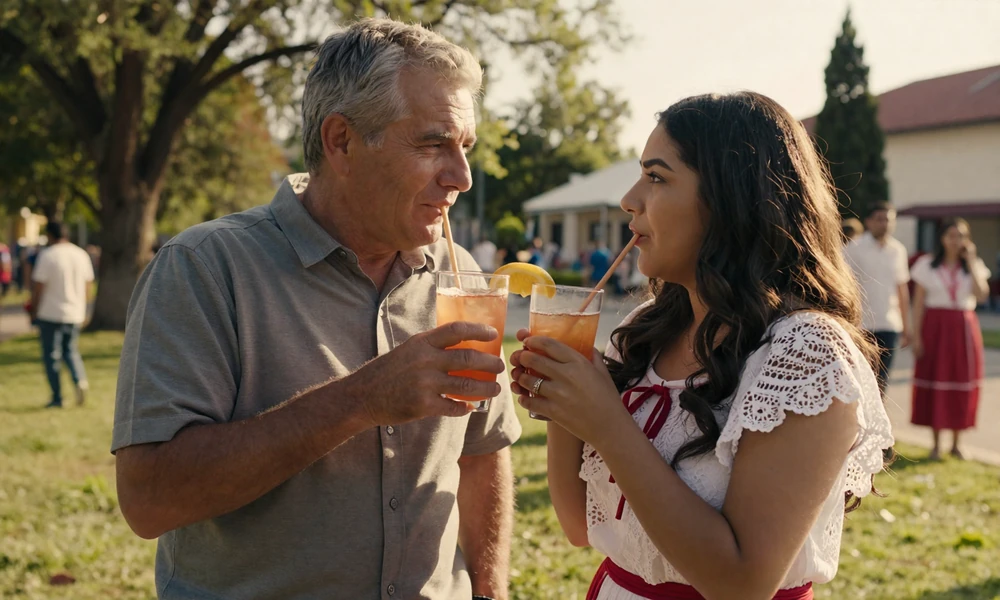
Paraguayan women possess remarkable humility and lack of pretentiousness compared to women from larger more cosmopolitan Latin American countries. Paraguay's relative poverty and international obscurity have created culture valuing genuine human connection, humility, and authenticity over status displays or material accumulation. Paraguayan women don't expect luxury brands, expensive restaurants, or constant entertainment. They appreciate simple pleasures-family gatherings, sharing tereré in parks, home-cooked meals, and quality conversation. This lack of materialism and status consciousness creates refreshingly low-maintenance partners who value who you are rather than what you provide materially.
This humility extends to how Paraguayan women present themselves in dating contexts. They don't play hard to get, engage in manipulative games, or create artificial scarcity to increase perceived value. When Paraguayan women like someone, they show genuine interest directly rather than strategic positioning. They value honest straightforward communication over subtle hints and complex social games. For American men exhausted by dating's psychological warfare, Paraguayan women's authentic approach provides relief and creates foundation for genuine connection rather than power struggles and manipulation.
Paraguayan warmth manifests in small daily gestures that create emotional intimacy-preparing your favorite foods without being asked, remembering small details you've mentioned, expressing affection openly, showing concern for your wellbeing, and making you feel genuinely cared for rather than tolerated. This nurturing warmth isn't performance during courtship that disappears after marriage-it's genuine cultural trait woven throughout Paraguayan women's approach to relationships. They derive satisfaction from making loved ones happy and creating warm loving environments, finding fulfillment in partnership rather than viewing relationships as obligations or means to other ends.
Deep Catholic Faith and Moral Framework
Paraguay maintains one of Latin America's strongest Catholic traditions, with approximately 96% of the population identifying as Catholic and religion playing central role in daily life and cultural values. This deep faith shapes Paraguayan women's approach to relationships, creating moral framework around commitment, loyalty, and marriage sanctity that American men seeking serious relationships find extremely appealing. Paraguayan women view marriage as sacred lifetime commitment rather than temporary arrangement subject to divorce when inconvenient. They bring genuine commitment to relationships, fighting through difficulties rather than abandoning ship at first storm.
Catholic values influence Paraguayan women's views on family, children, fidelity, and relationship priorities. They want children and view motherhood as blessed calling rather than career obstacle or lifestyle choice. They expect sexual exclusivity and view infidelity as profound betrayal rather than acceptable behavior requiring toleration. They prioritize family wellbeing over individual desires when conflicts arise. They believe in forgiveness, reconciliation, and working through problems rather than cutting and running. For American men who share traditional values around marriage and family or simply want partners committed to making relationships work long-term, Paraguayan women's faith-based approach provides strong foundation.
This religious orientation doesn't mean Paraguayan women are rigid fundamentalists or lack personality beyond church attendance. Their faith manifests more in underlying values and life priorities than daily religious rituals or judgmental attitudes. They attend Mass regularly, celebrate religious holidays meaningfully, pray in daily life, and draw moral guidance from faith tradition. But they're also warm, fun-loving, passionate, and fully engaged with modern life within their cultural context. Their Catholicism provides moral framework and relationship stability without creating oppressive religiosity that stifles authentic human connection. Similar faith-based approaches to relationships can be found among women from neighboring Bolivia, though Paraguay's particular blend of indigenous and Catholic tradition creates distinctive expression.
Guaraní Heritage & Bilingual Cultural Identity
Understanding Paraguayan women requires appreciating their unique bilingual Guaraní-Spanish heritage that creates cultural identity unlike anywhere else in Latin America. This linguistic and cultural duality shapes how Paraguayan women view relationships, family, community, and values, creating dating culture that blends indigenous traditions with Hispanic Catholicism in genuine synthesis rather than superficial multicultural coexistence.
The Guaraní Language: Paraguay's Indigenous Soul
Guaraní survived Spanish colonization more successfully in Paraguay than indigenous languages elsewhere in Latin America, remaining living language spoken fluently by approximately 85% of Paraguayans across all social classes. This survival reflects historical circumstances-Paraguay's isolation during colonial period, Jesuit missions' approach to evangelization incorporating Guaraní, and national pride in indigenous heritage as source of distinct identity separating Paraguay from neighboring Argentina, Brazil, and Bolivia. Guaraní holds official language status alongside Spanish, taught in schools, used in government proceedings, and spoken daily throughout society rather than confined to rural indigenous populations.
The Guaraní language carries cultural values and worldviews that influence how speakers understand relationships and community. Guaraní emphasizes collective identity over individualism through grammatical structures prioritizing inclusive "we" over separate "I/you" distinctions. It contains specific vocabulary for extended family relationships and community bonds that lack direct Spanish equivalents. It expresses emotional states and interpersonal dynamics with nuance difficult to translate. Paraguayan women who think partially in Guaraní carry these cultural frameworks into Spanish-language relationships, creating subtle differences in how they conceptualize partnership, family obligations, and individual autonomy within collective contexts.
For American men dating Paraguayan women, understanding basic Guaraní phrases and cultural significance demonstrates genuine respect beyond surface-level Spanish learning. Most Paraguayan women will teach you Guaraní expressions naturally if you show interest-terms of endearment in Guaraní carry emotional weight that Spanish equivalents don't match, and using them creates special intimacy. Learning to properly pronounce Guaraní sounds (which differ significantly from Spanish phonetics) and appreciating when your partner code-switches between languages shows cultural engagement that deepens connection. Your willingness to embrace Paraguay's indigenous heritage rather than viewing it as exotic curiosity demonstrates the respect and genuine interest that Paraguayan women value in potential partners.
Artisan Crafts and Folk Traditions
Paraguayan culture maintains strong artisan craft traditions rooted in both Guaraní indigenous heritage and Spanish colonial influences. The most famous is ñandutí-delicate lace spiderweb patterns originally inspired by Guaraní weaving techniques combined with Spanish lacemaking traditions. Women throughout Paraguay create ñandutí pieces for family use, religious ceremonies, and cultural pride rather than purely tourist commerce. Many Paraguayan women learned these crafts from mothers and grandmothers, creating skills transmission across generations that reinforces cultural continuity and traditional feminine roles around domestic arts.
Other traditional crafts include ao po'í (fine embroidered cotton textiles), pottery using pre-Columbian techniques, woven baskets and mats, carved wooden implements, and leather goods. These aren't museum pieces-they're living traditions used in daily life throughout Paraguay, especially in rural areas and smaller cities. Your Paraguayan partner likely has family members who practice these crafts and may incorporate traditional textiles into your home décor when you marry. Appreciating these crafts' cultural significance rather than dismissing them as primitive or backwards demonstrates respect for heritage that matters deeply to Paraguayan women's identity and family pride.
Folk music traditions also remain vibrant in Paraguay, blending Guaraní instruments and melodies with Spanish guitars and vocal styles. The polka paraguaya and guarania are distinctly Paraguayan musical forms played at family gatherings, festivals, and cultural celebrations. The harp holds special significance in Paraguayan culture-the Paraguayan harp has unique sound and playing style combining European instrument with indigenous musical sensibilities. When you attend family gatherings with your Paraguayan partner, expect live music, group singing, and dancing that create communal bonding experiences. Your willingness to participate (even awkwardly) rather than remaining self-conscious American observer shows the cultural engagement that Paraguayan families appreciate and respect.
Essential Guaraní Phrases for Dating
- Mba'éichapa (mbah-ay-chah-pah) - How are you? (casual greeting)
- Iporãiterei (ee-poh-rah-ee-teh-ray) - Very well / Excellent
- Rohayhu (roh-hah-yoo) - I love you (deep emotional love)
- Che ray (cheh-rah-yee) - My love / My darling
- Aguyje (ah-goo-ee-yeh) - Thank you
- Reju peve (reh-hoo-peh-veh) - Come back soon / Until we meet again
- Nde porã (ndeh-poh-rah) - You're beautiful
- Che ratã (cheh-rah-tah) - My strong one (affectionate term for partner)
Note: Guaraní pronunciation differs significantly from Spanish. The "g" sounds like English "ng" and the tilde "ã/ĩ" indicates nasalized vowels. Ask your Paraguayan partner to teach you proper pronunciation-this learning process creates bonding opportunity.
Tereré Culture: Paraguay's Social Bonding Ritual
Tereré (pronounced teh-reh-REH) represents Paraguay's signature cultural tradition and social bonding ritual that you'll encounter constantly when dating Paraguayan women. Tereré is cold-brewed yerba mate served with ice water and medicinal herbs, passed communally through a group using a guampa (drinking vessel) and bombilla (metal straw). While neighboring Argentina drinks hot mate, Paraguay's tropical climate created preference for cold version that became distinctly Paraguayan cultural practice with deep social significance beyond simple beverage consumption.
The tereré ritual creates daily opportunities for extended conversation, community bonding, and relationship building. Paraguayans gather in parks, plazas, front yards, and any shady spot during hot afternoons to share tereré for hours, talking, gossiping, sharing news, and maintaining social connections. The practice involves specific etiquette-the cebador (preparer) controls the guampa and serves each person in rotation, everyone drinks fully and returns the vessel rather than keeping it, and participation signals acceptance into the social group. When your Paraguayan girlfriend invites you to share tereré with her family or friends, she's offering inclusion in intimate social circle rather than casual beverage offer.
Learning to appreciate tereré (an acquired taste for most foreigners-it's bitter and grassy) and participate in the ritual demonstrates cultural respect and willingness to embrace Paraguayan traditions. The key isn't loving the taste immediately (most Paraguayans find it funny when foreigners struggle with bitterness) but showing willingness to participate, follow etiquette properly, and appreciate the social bonding function beyond beverage itself. Your Paraguayan partner will likely want to establish regular tereré times with you after marriage-afternoon tereré breaks create daily ritual for conversation and connection that strengthens relationships through consistent small intimacy moments. This sharing ritual shares some similarities with neighboring Argentine mate culture, though Paraguay's cold tereré version and associated social practices create distinct cultural expression.
Paraguayan Dating Customs & Traditional Courtship
Paraguayan dating culture remains among Latin America's most traditional and family-centered, with courtship customs that may feel old-fashioned to Americans accustomed to casual dating norms. Understanding these traditions and approaching courtship with appropriate respect dramatically increases success chances with Paraguayan women who expect men to understand and honor cultural expectations around relationships, family involvement, and marriage progression.
Extremely Traditional Courtship Expectations
Paraguayan courtship follows more formal traditional patterns than most modern Latin American countries. The concept of "dating around" or casual relationship exploration carries negative connotations-Paraguayan women expect men to have serious marriage intentions before pursuing relationships. When you begin courting a Paraguayan woman, everyone (including her, her family, and community) assumes you're evaluating marriage potential rather than casually dating. This creates pressure but also clarity-no ambiguity about whether relationships are "serious" or games people play until something better appears.
Chaperones remain common especially in early courtship stages and more traditional families. When you first meet your Paraguayan girlfriend's family, early dates may involve her siblings or cousins accompanying you as chaperones ensuring appropriate behavior and protecting her reputation. This isn't distrust of you personally-it's cultural tradition protecting unmarried women's honor and demonstrating family oversight of courtship process. Accept chaperones graciously without complaint or viewing it as insulting. As relationship progresses and family trusts you, chaperone requirements typically relax, but initial stages often involve supervised encounters rather than complete privacy Americans expect in dating.
Physical intimacy progresses slowly in Paraguayan dating culture compared to American norms. Paraguayan women expect emotional connection and commitment before physical relationship. First dates might end with handholding or cheek kiss-nothing more. Intimate physical relationships before engagement carry strong stigma in traditional Paraguayan culture, and women who maintain virginity until marriage receive highest respect. While modern urban Paraguayan women may be less strict about premarital sex, they still expect significantly slower physical progression than American women. Respecting these boundaries rather than pushing for rapid physical escalation demonstrates the character and respect that Paraguayan women and families value in potential husbands.
Family Involvement from Day One
Family involvement in Paraguayan dating is immediate, intensive, and non-negotiable. You'll meet her family within the first few weeks of dating-much earlier than other Latin American countries where family introduction signals serious commitment. Paraguayan families want to evaluate potential partners early in courtship process, providing input and sometimes veto power over relationships they view as unsuitable. While ultimate decision remains with the woman, family disapproval creates enormous pressure and can end relationships even when both partners want to continue.
Sunday family gatherings are sacred traditions you'll participate in weekly once relationships become established. Extended family gathers for afternoon tereré, asado (barbecue), conversation, and bonding that can last 4-6 hours or entire afternoons. Everyone attends-aunts, uncles, cousins, grandparents, godparents, close family friends. These gatherings serve multiple functions: maintaining family cohesion, collective decision-making, evaluating your character and compatibility, and incorporating you into family unit before marriage. Your enthusiasm for these gatherings (or lack thereof) signals whether you understand and accept Paraguayan family culture's central importance.
Paraguayan families assess potential sons-in-law based on character, work ethic, treatment of their daughter, respect for family, and evidence of being able to provide for future family. They're less impressed by wealth or status than by genuine good character and commitment to making their daughter happy. Demonstrate respect through addressing elders formally, offering to help with gathering preparations or cleanup, showing interest in family stories and history, being patient with slower pace and long gatherings, expressing genuine affection for your girlfriend in family-appropriate ways, and making clear your serious intentions toward marriage. These behaviors build family trust essential for relationship success.
"The family involvement was overwhelming at first-I met Miriam's entire extended family during our second week dating, not just parents but grandparents, siblings, cousins, godparents, the works. Every Sunday meant 5-6 hours at family gatherings where I felt like I was being evaluated constantly by 20+ people. But I realized this scrutiny comes from love and protection, not hostility. Once her family accepted me (took about 3 months), they treated me like I already was family. That collective support system is incredible-when we married and moved to the US, her family helped financially despite having little money themselves because I'm family now. That sense of extended family obligation and support is beautiful once you're inside the circle, though getting there requires patience and proving yourself worthy of their daughter." - James, 48, married to Miriam from Ciudad del Este for 4 years
Asking Permission and Formal Engagement
When you're ready to propose to your Paraguayan girlfriend, traditional protocol requires asking her father's permission first. This isn't empty formality-it's genuinely important cultural tradition that demonstrates respect for family hierarchy and proper procedure. Schedule private conversation with her father (your girlfriend will help arrange this), express your love for his daughter and serious intentions, outline your ability to provide for her, and formally request permission to marry. Most fathers appreciate this traditional approach even if they would ultimately accept non-traditional proposals, but skipping this step offends many traditional Paraguayan families and creates poor foundation for marriage relationship.
Engagement periods in Paraguay traditionally last 6-12 months, providing time for wedding planning, family preparation, and ensuring couple compatibility before legal commitment. During engagement, relationship becomes semi-public with formal announcement to extended family and community. Engaged couples receive more privacy and physical intimacy latitude than dating couples, though many traditional families still expect limited premarital sexual activity. This engagement period serves important functions-demonstrating sustained commitment beyond initial romantic feelings, allowing families to prepare emotionally and practically for wedding, and giving couple time to work through potential conflicts with family support before legal marriage makes separation difficult.
Wedding expectations vary by family economic circumstances and regional traditions, but even modest Paraguayan weddings involve significant extended family participation and traditional Catholic ceremony. American men should be prepared for large weddings (100+ guests is common) with extended family expectations, religious ceremony requirements, and traditional customs including specific dances, toasts, and blessing rituals. Your Paraguayan bride and her family will guide you through these traditions, but showing willingness to honor cultural customs rather than insisting on American wedding preferences demonstrates respect that starts marriage on positive foundation. Similar courtship formality and family involvement characterize dating in neighboring Bolivia and Peru, though each country's particular traditions create distinctive expressions of shared conservative Latin American Catholic values.
Paraguayan Dating Timeline Expectations
- First 2-4 weeks: Initial courtship with likely chaperones; meeting her immediate family; establishing serious intentions
- 1-3 months: Regular family gatherings attendance; deeper family integration; increased but still modest physical affection
- 3-6 months: Discussions about future plans and marriage; travel to meet extended family if not local; relationship evaluation
- 6-12 months: Proposal with father's permission; formal engagement announcement; wedding planning begins
- 12-18 months: Engagement period; continued family integration; Catholic marriage preparation; wedding execution
- 18-24 months: Marriage and beginning married life; potential relocation planning if moving to USA
Note: Timeline may accelerate for older couples or compress slightly for international relationships where extended courtship is logistically difficult. However, skipping stages (especially family introduction and proper engagement) carries significant cultural stigma and family disapproval risks.
Unbreakable Family & Community Bonds in Paraguay
Understanding Paraguayan family and community structure is essential for successfully dating Paraguayan women. Paraguay maintains one of Latin America's strongest extended family systems and tightest community bonds, creating social fabric where individual needs and desires subordinate to collective family and community welfare. Your Paraguayan partner's identity is inseparable from her family and community connections, and accepting this reality rather than viewing it as obstacle dramatically improves relationship success chances.
Extended Family as Daily Life Foundation
Extended family living arrangements are standard in Paraguay, with multiple generations and siblings' families often sharing households or living in connected homes on family compounds. Paraguayan women grow up surrounded by grandparents, aunts, uncles, and cousins as daily presence rather than occasional visitors. This creates different understanding of privacy, independence, and personal space than Americans expect. When you marry a Paraguayan woman, you're marrying into extensive family network with constant presence, involvement, and claims on time, resources, and decision-making input.
Daily family interaction is normal and expected. Your Paraguayan wife will likely want to speak with her mother daily, visit extended family multiple times weekly, include family in decisions Americans consider purely couple or individual choices, send money to family members in need, and eventually want family members to live with you or nearby if they immigrate. This isn't unhealthy enmeshment or inability to separate from family-it's cultural norm reflecting different values around independence versus interdependence. Americans prize independence and nuclear family autonomy; Paraguayans value extended family interdependence and collective welfare.
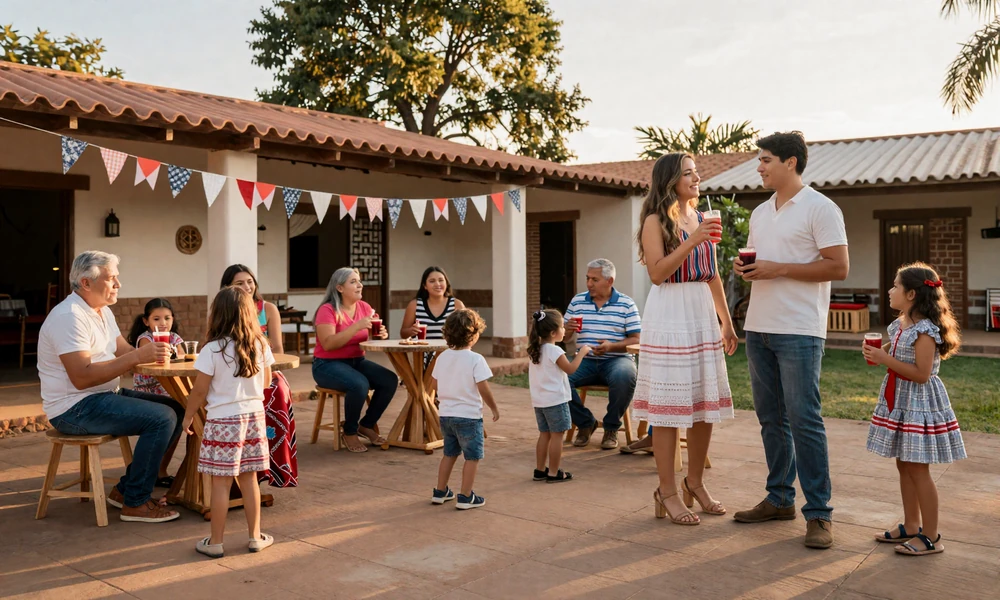
The comadre/compadre (godparent) system extends family bonds beyond blood relations through Catholic baptism sponsorship traditions. Godparents hold significant relationships with godchildren and their parents, creating additional family-like bonds with associated obligations and support. Your Paraguayan wife's godparents and your children's godparents (which you'll need to select carefully with family input) become part of extended family network. These relationships aren't ceremonial-they involve real obligations, regular interaction, and mutual support expectations. Understanding and honoring these extended family bonds rather than viewing them as intrusions demonstrates cultural adaptation essential for marriage success.
Women as Family Center and Glue
Paraguayan culture positions women as family center-emotional anchors, caregivers, household managers, and relationship maintainers who keep extended family connected and functioning. Your Paraguayan wife will likely assume responsibility for maintaining contact with both her family and yours, organizing gatherings, managing holiday celebrations, ensuring elderly family members are cared for, and preserving family cohesion. This role carries heavy responsibilities but also significant respect and influence within family structures. Women hold power through emotional and relational management even in cultures with traditional gender hierarchies in other domains.
This centrality means your wife's relationship with her mother will be extremely important-often the primary emotional relationship in her life that predates and in some ways supersedes spousal bond. Mother-daughter relationships in Paraguayan culture involve deep interdependence, daily communication, mutual support, and emotional intimacy that American men sometimes find challenging to understand or accept. Your mother-in-law will have significant influence over your wife's happiness, decisions, and satisfaction in marriage. Building positive relationship with her mother therefore isn't optional politeness-it's strategic necessity for marriage success. Treat your mother-in-law with respect, appreciation, and inclusion in family life rather than viewing her as interference.
Collective Decision-Making and Everyone-Is-Family Mentality
Major decisions in Paraguayan families involve collective input rather than purely individual or couple autonomy. Decisions about having children, moving cities, major purchases, career changes, or immigration often involve family discussion and consensus rather than couple deciding independently. This collective decision-making reflects different cultural values around individual autonomy versus family welfare. Americans view adult independence as maturity marker; Paraguayans view continued family interdependence as loyalty and proper values. Neither is objectively right-they're different cultural frameworks.
The "everyone-is-family" village mentality extends beyond blood relatives to neighbors, childhood friends, and community members who form tight social networks with obligations and support expectations. Your Paraguayan wife may feel responsible for helping childhood friend's family during crisis, supporting neighbor who's struggling, or accepting distant cousin into your home temporarily. This openness and generosity reflects beautiful community values but requires adjustment for Americans accustomed to clearer boundaries between nuclear family and broader community. Learning to embrace these community bonds rather than resenting them as impositions creates harmony and demonstrates cultural adaptation.
Respect for elderly holds absolute priority in Paraguayan culture. Grandparents and elder family members receive deference, care, and accommodation that sometimes surprises Americans. When elderly parents need care, adult children (especially daughters) provide it directly rather than using nursing homes, which carry strong negative stigma in Paraguayan culture. Your Paraguayan wife may eventually want her aging parents to live with you-this isn't unusual request but expected family obligation. Discussing these expectations early in courtship rather than assuming American nursing home norms prevents later conflicts. Similar strong extended family systems characterize neighboring Brazilian and Uruguayan cultures, though Paraguay's particular expression through bilingual Guaraní-Spanish identity and relative economic poverty creates distinctive intensity around family interdependence.
Managing Extended Family Involvement Successfully
- Accept rather than resist: Fighting against family involvement creates lose-lose conflicts; accepting cultural reality reduces stress
- Set gentle boundaries: Some boundaries are necessary; establish them respectfully with your wife's partnership rather than unilateral demands
- Build genuine relationships: Invest in knowing her family as individuals; genuine bonds make involvement feel less intrusive
- Recognize benefits: Extended family provides childcare, emotional support, crisis assistance, and rich social life that nuclear isolation lacks
- Communicate needs clearly: Your wife can't read your mind about discomfort; express needs respectfully and work together on solutions
- Remember you married her culture: Paraguayan family system is inseparable from Paraguayan identity; accepting package deal is essential
- Create couple time rituals: Establish regular couple-only time within broader family involvement to maintain intimacy and connection
- Appreciate her sacrifice: If she relocates to USA away from family, recognize the profound sacrifice and support her maintaining connections
Your Questions About Dating Paraguayan Women Answered
Language barriers are manageable but require patience and effort. Approximately 85% of Paraguayan women on our platform speak both Spanish and Guaraní, with about 45% having conversational English skills. Our built-in translation tools handle Spanish-English communication effectively. Learning basic Spanish is essential for relationship success, while learning some Guaraní phrases demonstrates exceptional cultural respect that Paraguayan women deeply appreciate. Most Paraguayan women will teach you both Spanish and Guaraní naturally if you show genuine interest. The bilingual aspect actually creates opportunity for deeper cultural connection rather than obstacle if you approach it with openness and willingness to learn.
Yes, Paraguayan women maintain genuinely traditional values around family, gender roles, and relationships compared to most Latin American countries and certainly compared to American women. They embrace feminine roles including homemaking, cooking, nurturing, and prioritizing family over career ambitions as sources of pride and satisfaction rather than oppression. However, traditional doesn't mean submissive or unintelligent-Paraguayan women have strong personalities, opinions, and inner strength. Their traditionalism reflects cultural pride and religious values rather than lacking modern awareness. If you genuinely value traditional partnership dynamics and family-centered values, Paraguayan women offer authenticity rather than performance.
Expect intensive family involvement from day one through marriage and beyond. You'll meet her family within first 2-4 weeks of dating, attend weekly Sunday family gatherings lasting 4-6 hours, receive input and sometimes veto power from family on relationship decisions, potentially have chaperones on early dates, need to ask her father's permission before proposing, and maintain regular contact and support obligations after marriage. Extended family may eventually live with you or nearby if they immigrate. This isn't unhealthy enmeshment-it's cultural norm reflecting different values around independence versus interdependence. Accept this reality before pursuing Paraguayan relationships rather than hoping to change fundamental cultural characteristics.
While you don't technically need to be Catholic, being Christian (Catholic or Protestant) significantly improves relationship success with traditional Paraguayan women. Approximately 96% of Paraguayans identify as Catholic, and faith plays central role in values, family life, and cultural identity. Paraguayan women expect partners who share basic Christian values around marriage sanctity, commitment, children, and moral framework. Atheists or non-Christian men face significant cultural and family barriers unless partnering with rare non-religious Paraguayan women. Converting isn't necessarily required, but willingness to participate in Catholic ceremonies, baptize children Catholic, and respect religious traditions is generally expected. Shared faith foundation creates easier path to relationship success.
Dating Paraguayan women requires moderate investment: roundtrip flights from major US cities to Asunción cost $850-$1,100 (10-12 hours with connections), hotels range $45-$120 per night, dates cost $40-$80 due to Paraguay's lower costs. A typical 7-day trip costs $1,800-$2,800 including flights, accommodation, dates, and gifts. Premium membership on our platform is $29.99/month. K-1 fiancé visa process costs $3,000-$6,000 including government fees, medical exams, and documentation. Wedding costs vary dramatically based on family expectations and economic circumstances-simple weddings cost $2,000-$5,000, larger traditional weddings $8,000-$15,000. Paraguayan women have low materialistic expectations and appreciate genuine gestures over expensive displays.
Paraguayan courtship follows traditional timeline lasting 12-24 months from first meeting to marriage: 1-3 months establishing relationship and family introduction, 3-6 months deepening commitment and future planning, 6-12 months leading to proposal with father's permission, 6-12 month engagement period for wedding planning and preparation. Total timeline of 18-24 months is standard, though international relationships may compress slightly due to logistical constraints. Rushing courtship raises red flags with families and communities. Paraguayan culture values slow relationship progression demonstrating sustained commitment over time rather than rapid escalation. Patience with traditional timeline demonstrates respect for culture and serious intentions that families appreciate.
Paraguayan women can adapt successfully to American life but require significant adjustment support and realistic expectations. Challenges include: leaving extremely tight-knit extended family creating homesickness and grief; adjusting to American independence culture versus collectivist upbringing; potentially needing English language improvement; navigating different social norms and expectations; managing culture shock and isolation, especially in areas without Spanish-speaking communities. Success factors include: your patience and support during adjustment, maintaining regular family contact through video chat, connecting with Latin American community locally, allowing her to work and build her own social network, visiting Paraguay regularly, and accepting that she may never fully adopt American independence values around family. Some Paraguayan women thrive in USA; others struggle deeply with family separation despite loving their husbands.
Genuine Paraguayan women show interest through: discussing life in Paraguay and not immediately pushing USA relocation talk, sharing detailed family and community connections openly, showing interest in your character and values beyond financial status, being patient about relationship timeline and not rushing to marriage, video chatting frequently showing her real daily life, introducing you to family early and naturally, and never requesting money or financial assistance. Red flags include: avoiding family introduction or video chat, inconsistent life details, early money requests, pushing rapid marriage proposals before meeting in person, limited interest in your personality beyond provider role, and dramatic "emergencies" requiring financial help. Our verification system helps identify genuine profiles. Always video chat extensively and visit Paraguay to meet her in her environment before commitments.