
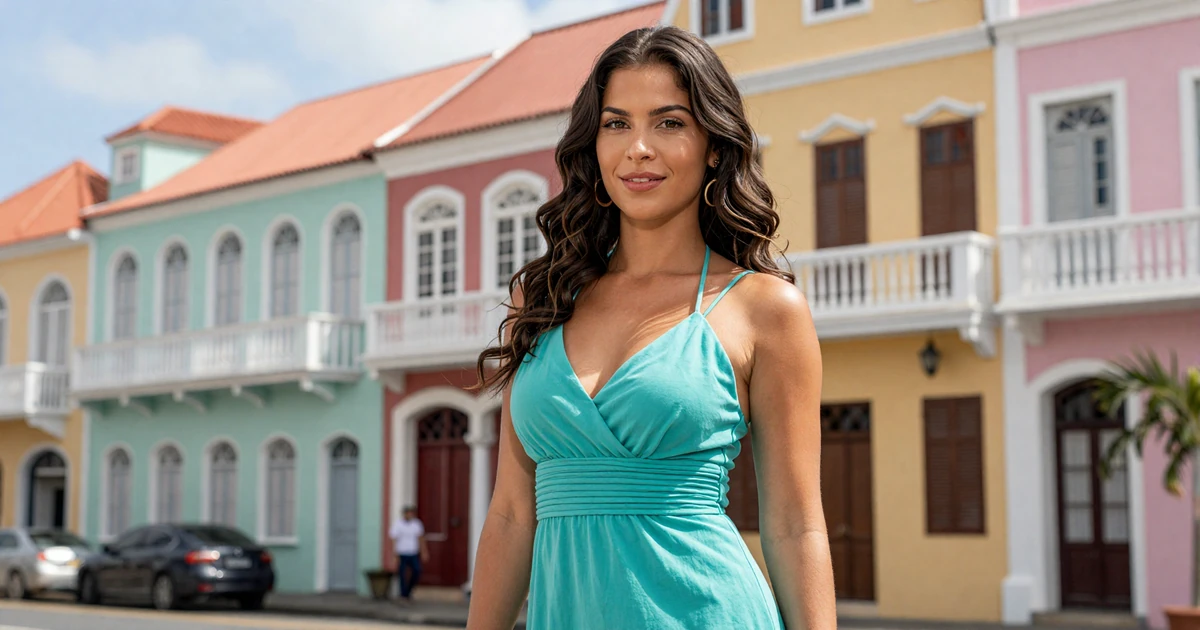
Discover the Multicultural Sophistication of Dutch Antillean Women
Connect with 3,200+ verified multilingual Caribbean singles from Curaçao, Bonaire & Sint Maarten who speak Dutch, Papiamentu, English & Spanish fluently
Meet Beautiful Dutch Antillean Singles Ready to Chat
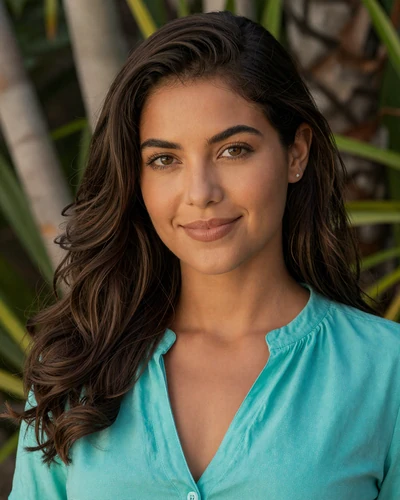
Juliana, 28
Willemstad, Curaçao
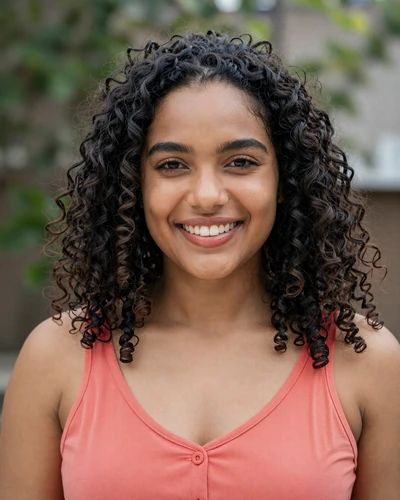
Shanaya, 26
Punda, Curaçao

Mariska, 30
Kralendijk, Bonaire
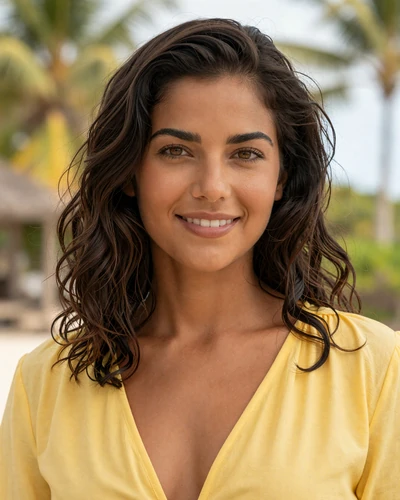
Kimberly, 27
Philipsburg, Sint Maarten
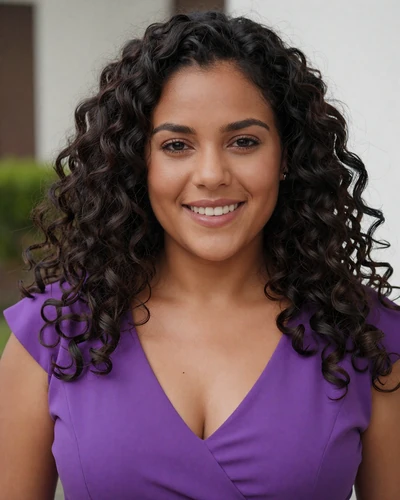
Yesenia, 29
Willemstad, Curaçao

Desiree, 25
Oranjestad, Aruba
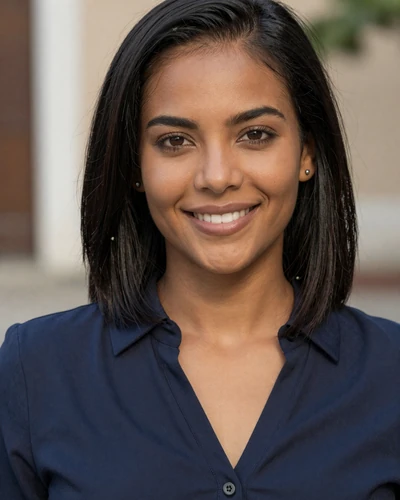
Larissa, 31
Otrobanda, Curaçao

Natasha, 24
Kralendijk, Bonaire
Multicultural Caribbean Elegance: Why Dutch Antillean Women Stand Out
Dutch Antillean women dating opens doors to one of the Caribbean's most sophisticated and multicultural dating experiences-connecting American men with women who embody a unique blend of European refinement, Caribbean warmth, African vibrancy, and Latin passion that exists nowhere else in the world. With over 3,200 verified Dutch Antillean singles on our platform from Curaçao, Bonaire, Sint Maarten, and Aruba, you'll discover women whose extraordinary multilingual abilities (fluent Dutch, Papiamentu, English, and Spanish), cosmopolitan worldview, and stunning multicultural beauty create the perfect balance of exotic appeal and comfortable familiarity that American men actively seek in international partners.
The Dutch Antilles-consisting primarily of Curaçao, Bonaire, Sint Maarten, Aruba, Saba, and Sint Eustatius-represent a fascinating cultural crossroads where European governance meets Caribbean lifestyle, African heritage blends with Latin influence, and Dutch pragmatism combines with tropical spontaneity. This unique historical and cultural position creates Dutch Antillean women who possess exceptional adaptability, natural multilingualism, sophisticated education and worldview, comfort with cross-cultural relationships, and balanced appreciation for both tradition and modernity. They're neither fully European nor typically Caribbean, neither purely Latin American nor African-they're uniquely Antillean, offering American men something refreshingly different from both domestic options and other international dating markets.
The Extraordinary Heritage Blend
Dutch Antillean women's appearance reflects centuries of cultural mixing that created some of the Caribbean's most stunning and diverse beauty. The islands' complex colonial history-with Dutch, Spanish, Portuguese, British, French involvement alongside African, Indigenous, and later South American, Middle Eastern, and Asian migration-produced extraordinary genetic diversity visible in Antillean women's physical characteristics. You'll encounter light-skinned women with European features and Caribbean warmth, rich dark-skinned beauty reflecting African heritage with European sophistication, golden tan complexions showing Latin American influence with Dutch refinement, and exotic combinations showing Jewish, Lebanese, Indonesian, Chinese, and Venezuelan ancestry creating truly unique appearance.
This physical diversity extends beyond appearance to create women comfortable with complexity, ambiguity, and multiple cultural identities simultaneously. Dutch Antillean women don't fit into simple ethnic categories-they're proudly mixed, embracing all aspects of their heritage rather than choosing one identity over others. This multicultural comfort makes them exceptionally well-suited for international relationships with American men, as they've spent their entire lives navigating cultural differences, code-switching between languages and cultural contexts, and building bridges between different worlds. What feels foreign and challenging to single-culture individuals feels natural and comfortable to Antillean women who've always lived between cultures.
The Netherlands' ongoing relationship with its Caribbean territories (though constitutional status has evolved) maintains strong European connections while preserving Caribbean cultural identity. Dutch Antillean women benefit from European education standards and governance structures, access to Dutch universities and career opportunities, European passport and travel privileges, and Dutch language fluency opening European doors, while simultaneously maintaining Caribbean lifestyle and pace, Latin American cultural warmth and expressiveness, African heritage pride and celebration, and unique Papiamentu language and cultural identity. This dual Caribbean-European identity creates women who combine tropical spontaneity with European organization, Caribbean warmth with Dutch directness, Latin passion with pragmatic sensibility-offering American men the best of multiple worlds.
"My wife Juliana from Curaçao is unlike anyone I've ever met-she switches effortlessly between Dutch, Papiamentu, English, and Spanish depending on who she's talking to, she's comfortable discussing European politics or Caribbean music with equal knowledge, and she adapts to any social situation seamlessly. That multicultural background means she completely understood my American culture while also showing me entirely new perspectives. Dating her felt like discovering an entirely new category of woman I didn't know existed-sophisticated like Europeans, warm like Latinas, vibrant like Caribbeans, but uniquely her own thing. It's the best combination I could imagine." - Michael, 46, married to Juliana from Curaçao for 3 years
The Multilingual Communication Advantage
Dutch Antillean women possess natural multilingual abilities that create exceptional communication advantages in international relationships. The typical Antillean woman speaks Papiamentu as native language (Creole language mixing Portuguese, Spanish, Dutch, English, and African languages), Dutch fluently from education system, English conversationally or fluently from tourism and American cultural influence, Spanish understandingly from Venezuelan proximity and Latin American connections, and often Portuguese basics from Brazilian tourism and Papiamentu's Portuguese roots. This multilingual foundation means communication barriers virtually disappear with Dutch Antillean partners-even if your first conversations happen in English, her ability to code-switch and explain concepts multiple ways ensures understanding far beyond typical international dating language challenges.
Beyond practical communication, Dutch Antillean women's multilingualism reflects cognitive flexibility, cultural intelligence, and educational sophistication that translates into relationship advantages. Research shows multilingual individuals demonstrate enhanced problem-solving abilities, greater empathy and perspective-taking capacity, improved conflict resolution skills through multiple communication frameworks, and cognitive flexibility supporting adaptation to new environments. Your Dutch Antillean partner brings these cognitive advantages into relationship dynamics, making cultural adjustment, conflict resolution, and building shared understanding smoother than typical cross-cultural partnerships. She's spent her entire life translating between cultural and linguistic worlds-translating between your world and hers feels natural rather than burdensome.
The dominance of English as secondary language (92% of our Dutch Antillean members speak conversational to fluent English-highest rate among non-English-speaking Caribbean nations) means communication barriers stay minimal even without learning Dutch or Papiamentu. However, showing interest in learning basic Papiamentu phrases or Dutch greetings demonstrates cultural respect and genuine interest beyond surface-level exoticism. Papiamentu particularly charms Antillean women because few foreigners attempt it, and hearing your accent attempting their unique language becomes endearing rather than off-putting. Even basic phrases like "Bon dia" (good morning), "Danki" (thank you), "Mi stima bo" (I love you), and "Kon ta bai?" (how are you?) show you value her linguistic heritage beyond just communicating in English for your convenience.
Curaçao and Bonaire: Island Personality Differences
Understanding differences between the main Dutch Antillean islands helps American men target compatible matches based on personality and lifestyle preferences. Curaçao, the largest and most populous island, serves as the cosmopolitan cultural and economic center featuring Willemstad's UNESCO World Heritage Dutch colonial architecture in vibrant Caribbean colors, sophisticated nightlife and restaurant scenes, corporate headquarters and international business presence, diverse population including substantial Latin American expat community, and more fast-paced lifestyle by Caribbean standards. Curaçao women tend toward cosmopolitan sophistication, career ambition and business orientation, comfort with luxury and refined experiences, and multicultural social circles reflecting the island's diversity. They appreciate partners who can match their sophistication and worldliness.
Bonaire presents a quieter, more nature-focused alternative known for world-class diving and environmental conservation, smaller population with tight-knit community atmosphere, eco-tourism economy centered on marine preservation, slower pace and simpler lifestyle than Curaçao, and stronger sense of local community and tradition. Bonaire women often demonstrate nature-loving and environmentally conscious values, down-to-earth authenticity and less materialistic focus, strong community bonds and family orientation, and appreciation for simple pleasures and outdoor activities. They suit American men seeking authentic connection over cosmopolitan sophistication, preferring partners who value experiences over status symbols. Dating women from nearby Venezuela provides interesting contrast-while geographically close, cultural differences remain significant.
Sint Maarten/Saint Martin (the Dutch and French sides of one island) offers yet another personality profile shaped by dual governance, heavy American and European tourism influence, cruise ship and resort economy, party atmosphere and nightlife culture, and strategic location attracting international residents. Sint Maarten women often show entrepreneurial spirit and business savvy from tourism economy, comfort with diverse international crowds, outgoing personalities suited to hospitality industry, and flexible cultural identity from constant international exposure. Aruba, while technically separate since 1986, shares similar Dutch Caribbean culture with unique characteristics-more American tourism influence, prosperity from stable tourism economy, and women often showing stronger entrepreneurial drive and business orientation. Each island creates subtly different personalities within shared Antillean cultural foundation.
Dating Culture on the Dutch Caribbean Islands
Dutch Antillean dating culture reflects the islands' unique position between European formality and Caribbean spontaneity, creating courtship traditions that combine elements from multiple cultures while maintaining distinctive Antillean character. Understanding these dating norms and expectations helps American men navigate relationships successfully with sophisticated Antillean women who expect cultural awareness and genuine interest beyond superficial tourism experiences.
The Influence of Dutch and Caribbean Values
Dutch Antillean dating culture balances Dutch directness and egalitarianism with Caribbean warmth and traditional courtship expectations. From Dutch cultural influence comes direct communication and honesty about feelings and intentions, relative gender equality with women's career ambitions supported, pragmatic approach to relationships focused on compatibility, and expectation of splitting costs or taking turns paying after initial courtship phase. From Caribbean and Latin cultural influence comes importance of family approval and involvement, appreciation for romantic gestures and courtship rituals, expectation that men demonstrate chivalry and take initiative, and value placed on emotional expressiveness and passion. Successfully dating Antillean women requires navigating both sides-being direct about intentions while demonstrating romance, supporting equality while still courting attentively.
This cultural duality creates women who expect partners to open doors and pay for dates initially (Caribbean chivalry) but also respect their careers and independence (Dutch equality), communicate directly about relationship expectations (Dutch honesty) while appreciating romantic spontaneity and surprise (Caribbean passion), make pragmatic plans for the future (Dutch planning) while embracing present-moment joy (Caribbean spontaneity), and discuss finances openly (Dutch transparency) while still valuing generosity and treating well (Caribbean courtship). American men must embrace both sides rather than choosing one approach, showing you can be simultaneously practical and romantic, organized and spontaneous, egalitarian and chivalrous depending on context.
Antillean women appreciate partners who demonstrate cultural intelligence by adapting behavior to context rather than rigidly applying one cultural script. In formal settings or meeting family, lean toward more traditional courtesy and respect. In casual dating or with her friends, relax into more egalitarian informality. When discussing future plans and finances, embrace Dutch directness and practical planning. During romantic moments and celebrations, channel Caribbean passion and spontaneity. Your ability to read context and adjust appropriately demonstrates the multicultural flexibility that Antillean women possess naturally and value in partners.
Papiamentu: The Language of Romance
Papiamentu, the Creole language native to Curaçao, Bonaire, and Aruba, serves as emotional and romantic language for Dutch Antillean women even when they're fluent in Dutch and English. Understanding Papiamentu's role in Antillean romantic culture reveals important insights into how these women experience and express love. Papiamentu represents home, heart, and authentic self-the language Antillean women think and feel in even when communicating in other languages. Dutch serves for business and formal situations, English for international communication, Spanish for practical regional purposes, but Papiamentu remains the language of emotion, family intimacy, romantic endearments, and deepest self-expression.
When your Dutch Antillean partner begins using Papiamentu pet names like "dushi" (sweetie), "amor" (love), or "mi korason" (my heart), or code-switches into Papiamentu when expressing strong emotions, she's revealing her authentic emotional state and deepest feelings. Papiamentu emerges naturally during passionate moments, when comforting family members, when expressing frustration or joy, and when feeling most authentically herself without performing for Dutch or English-speaking audiences. Learning basic Papiamentu phrases and encouraging her to teach you more demonstrates you want access to her authentic emotional world rather than just the code-switched international version she presents to outsiders.
Papiamentu's linguistic structure reflects the cultural mixing that created it-Portuguese and Spanish base with Dutch, English, and African language elements woven throughout. This linguistic mixing mirrors the cultural flexibility Antillean women bring to relationships. Understanding that Papiamentu isn't "broken" Dutch or Spanish but sophisticated Creole language with its own grammar, literature, and media helps you appreciate Antillean linguistic heritage rather than viewing it as deficient version of European languages. When she speaks Papiamentu with family or friends, she's not excluding you but connecting to cultural roots-your interest in learning basics shows respect for that heritage rather than demanding she abandon it for your convenience.
Essential Papiamentu Phrases for Dating
Bo ta bunita (boh tah boo-NEE-tah)
You are beautiful
Mi stima bo (mee STEE-mah boh)
I love you
Bon dia, dushi (bone DEE-ah, DOO-shee)
Good morning, sweetie
Mi ta kontento ku bo (mee tah kohn-TEN-toh koo boh)
I'm happy with you
Bo ta mi amor (boh tah mee ah-MOHR)
You are my love
Danki, mi dushi (DAHN-kee, mee DOO-shee)
Thank you, my sweetie
Carnival, Tumba, and Celebration Culture
Dutch Antillean celebration culture centers around Carnival-the pre-Lenten festival that rivals Trinidad's and Brazil's for Caribbean prominence. Curaçao Carnival runs for weeks with elaborate costumes, tumba music competitions, street parades, and non-stop celebration involving the entire island community. For Antillean women, Carnival represents cultural identity expression, community bonding and celebration, artistic creativity through costume and music, and freedom to express joy and sensuality openly. Your willingness to participate in Carnival celebrations (or at least attend and appreciate rather than dismissing as tourist spectacle) demonstrates respect for core Antillean cultural tradition and openness to her world.
Tumba music-Curaçao's indigenous musical style combining African rhythms with European melodies and Caribbean brass instruments-provides the soundtrack to Antillean life and romance. Understanding tumba's importance helps you connect with Antillean culture beyond surface tourism. Tumba competitions during Carnival season generate island-wide excitement with the winning song becoming that year's anthem. Knowing current tumba hits, appreciating classic tumba legends, and being willing to dance (even clumsily) to tumba music shows genuine cultural engagement. Antillean women don't expect American men to become tumba experts, but showing interest and respect rather than dismissing it as "Caribbean music I don't understand" demonstrates openness to her cultural world. This musical culture shares some similarities with Trinidadian soca and Cuban rumba while maintaining distinctive Antillean character.
Beyond Carnival, Dutch Antillean celebration culture includes Koningsdag (King's Day, April 27th) celebrating Dutch royal family with orange-themed parties blending European tradition with Caribbean flair, Simadan harvest festival celebrating African heritage through music and dance, Dia di Rincon (Rincon Day) honoring cultural heritage with traditional foods, music, and crafts, and year-round festival culture with frequent music festivals, cultural events, and community gatherings. Antillean women appreciate partners who embrace celebration culture and community events rather than viewing them as obligations or interruptions. Participating enthusiastically in these cultural traditions creates shared memories and demonstrates you value her heritage.
The Multilingual Communication Advantage
Dutch Antillean women's extraordinary multilingual abilities create unprecedented communication advantages in international relationships that go far beyond simple conversation convenience. Understanding how this multilingualism shapes their cognition, worldview, and relationship capabilities reveals why Antillean women make exceptionally compatible international partners for American men seeking sophisticated, adaptable partners capable of bridging cultural differences seamlessly.
Education and European Standards
Dutch Antillean education follows Netherlands curriculum standards while adapting to local Caribbean context, producing exceptionally well-educated women by both Caribbean and international standards. The Dutch education system emphasizes mandatory multilingual education (Dutch, English, Spanish taught from early grades), critical thinking and analytical skills over rote memorization, European university access and standards alignment, comprehensive curriculum including sciences, humanities, and arts, and high literacy rates and educational achievement (over 95% literacy in Dutch Antilles). This educational foundation creates women who are intellectually curious and engaged, comfortable discussing complex topics across multiple disciplines, capable of analytical thinking and problem-solving, and prepared for professional careers in international contexts.
Many Dutch Antillean women pursue higher education at universities in the Netherlands, benefiting from European education quality, exposure to international student communities, career opportunities in European context, and developed ability to thrive in different cultural environments. Women who've studied in Netherlands return with enhanced sophistication and worldliness, experience navigating European cultural norms successfully, professional qualifications recognized internationally, and confidence adapting to new environments independently. When considering partnership with Dutch Antillean women, recognize you're often connecting with women whose educational credentials and intellectual capabilities rival or exceed American standards while offering additional multilingual and multicultural competencies most Americans lack.

Professional opportunities for Dutch Antillean women include tourism and hospitality industry management, international business and finance (Curaçao serves as financial center), healthcare professions with Caribbean and Dutch connections, education and academic careers, government administration requiring multilingual abilities, and entrepreneurship in various sectors. Many Antillean women work in contexts requiring daily language switching and cross-cultural communication, making them exceptionally skilled at adapting communication styles to different audiences. This professional experience translates directly into relationship skills-your Antillean partner knows how to communicate effectively across cultural differences, navigate competing cultural expectations, and find creative solutions to cross-cultural challenges because she does it professionally every day.
Cosmopolitan Worldview and Travel Experience
Dutch Antillean women possess naturally cosmopolitan worldviews shaped by small island life requiring international connections, European citizenship enabling easy European travel, Caribbean regional travel and cultural exchange, exposure to American tourists and cultural influence, and necessity of thinking internationally for career and life opportunities. Unlike women from large countries who can live entirely domestically, Antillean women must engage internationally for education, career advancement, shopping for certain goods, and expanded life experiences. This geographical reality creates women who are naturally outward-looking, comfortable with international travel and relocation, skilled at maintaining connections across distances, and psychologically prepared for international lifestyle and partnership.
Many Dutch Antillean women have already lived or studied abroad (particularly in Netherlands, but also Belgium, United States, or other Caribbean islands), creating proven track records of successful cultural adaptation, independence and self-reliance in foreign contexts, comfort with being cultural minority, and ability to build new social networks in unfamiliar environments. When your Antillean partner eventually moves to the United States with you, she's not facing her first experience living abroad or navigating cultural difference-she's applying skills developed through previous international experiences. This prior adaptation experience significantly smooths the immigration transition that causes stress and culture shock for women from more insular backgrounds.
The cosmopolitan outlook extends to pop culture and media consumption patterns. Dutch Antillean women consume Dutch television and media, American movies, music, and streaming content, Caribbean regional music and cultural productions, and Spanish-language telenovelas and music from Latin America. This cultural omnivore pattern means she likely already understands American cultural references, watches same streaming shows and movies you do, follows international news and current events, and can discuss pop culture across multiple national contexts. Unlike dating women from culturally isolated backgrounds requiring extensive cultural education, Antillean women often already know your cultural touchstones while also offering their own rich cultural traditions to share.
"What amazed me about Shanaya was how she just 'got' everything about American culture without me explaining-she'd watched the same shows, knew the same music, understood the references. But she also introduced me to this entire Dutch Caribbean world I knew nothing about, teaching me about tumba music, Carnival traditions, Papiamentu expressions, and Curaçao history. It felt like dating someone from a parallel universe-familiar enough to connect immediately but different enough to stay fascinating. Her ability to exist in multiple cultural worlds simultaneously without confusion or identity crisis is honestly inspiring. She made cross-cultural relationship feel easy when everyone warned me it would be difficult." - James, 44, dating Shanaya from Curaçao for 18 months
Natural Bridge-Building Between Cultures
Dutch Antillean women's lifetime experience bridging cultural differences makes them natural relationship bridge-builders who facilitate connection between your world and theirs rather than forcing you to choose sides. They excel at cultural translation and explanation without condescension, creating hybrid traditions combining elements from both cultures, mediating between family expectations and partner preferences, and maintaining connections to home culture while embracing new context. Your Antillean partner serves as cultural interpreter and guide, helping you understand Caribbean perspectives while explaining American norms to her family and smoothing potential cultural friction points through her diplomatic experience.
This bridge-building extends to practical daily life in cross-cultural marriages. Your Antillean wife will likely create household that blends American and Antillean elements organically-mixing English and Papiamentu at home, cooking both American and Caribbean dishes, celebrating holidays from multiple traditions, raising bilingual children with exposure to multiple heritages, and maintaining friendships across cultural boundaries. Rather than abandoning her culture to assimilate completely or rigidly preserving only Antillean traditions while rejecting American life, she creates third space that honors both sides while forging unique family culture. This cultural hybridity enriches children's lives, expands your own cultural horizons, and creates family identity stronger than either culture alone.
The multicultural competence also benefits extended family relationships on both sides. Your Antillean partner can navigate American family dynamics more smoothly than women from very different cultures because she understands Western cultural norms through Dutch influence. Simultaneously, she can help your American family understand her Caribbean background by drawing European parallels and finding common ground. Her experience code-switching between cultures means she knows when to emphasize similarities versus when to educate about differences, how to introduce new concepts gradually rather than overwhelming, and how to build bridges between people from different backgrounds. This diplomatic skill set makes family integration smoother and reduces potential cultural conflicts that strain cross-cultural marriages.
Family Values & Traditions in Dutch Antillean Culture
Dutch Antillean family culture reflects the islands' cultural complexity, combining European nuclear family structures with Caribbean extended family warmth, Dutch pragmatism with Latin family devotion, and modern egalitarian values with traditional respect for elders. Understanding these family dynamics helps American men navigate relationships successfully and integrate smoothly into Antillean family structures that will remain important throughout marriage.
Family Structure and Expectations
Dutch Antillean families typically follow European nuclear family model (parents and children as primary unit) with Caribbean extended family involvement and support, resulting in balanced family structure that's neither as intensely close as some Latin American families nor as independently distant as typical American families. Dutch Antillean women maintain close family ties while also making independent adult decisions, seeking family input on major life choices but retaining final authority, living independently before marriage while still regularly visiting family, and expecting partners to respect family importance without controlling their choices. This balanced approach suits American men seeking partners with healthy family bonds but not enmeshment.
Meeting her family typically occurs within 2-4 months of serious dating and serves as important relationship milestone. Antillean families assess potential partners based on respectfulness and courtesy in family interactions, educational background and career stability, cultural sensitivity and willingness to learn about Antillean culture, treatment of their daughter and evidence of genuine love, and long-term intentions and commitment seriousness. Unlike some Caribbean cultures where immediate material support expectations exist, Dutch Antillean families influenced by European norms evaluate character and compatibility more than financial status alone. However, demonstrating financial stability and responsibility still matters-they want assurance you can provide stable partnership.
Sunday family gatherings remain important tradition in Dutch Antillean culture, typically involving extended family lunch or dinner with multiple generations, sharing traditional dishes and conversation, catching up on family news and supporting members, and reinforcing family bonds and cultural continuity. Your willingness to participate regularly in these Sunday gatherings (or at least not complain about their frequency) demonstrates respect for family values. These gatherings serve practical functions beyond social bonding-family members provide childcare support, share resources and assistance, maintain cultural traditions and language transmission, and create safety net during difficult times. When you marry an Antillean woman, you gain family network alongside individual partner.
Religious Diversity and Spiritual Practices
Dutch Antilles features remarkable religious diversity reflecting the islands' multicultural heritage, with significant Catholic population from Spanish and Portuguese influence, Protestant communities from Dutch colonial legacy, Jewish communities dating to 1600s (Curaçao has oldest synagogue in continuous use in Western Hemisphere), and smaller Muslim, Hindu, and Afro-Caribbean spiritual practice communities. This religious diversity creates women comfortable with religious pluralism, respectful of different faith traditions, and often less dogmatic than women from religiously homogeneous backgrounds. Your Antillean partner likely respects religion without militant enforcement, values spiritual principles over rigid doctrine, and feels comfortable with interfaith marriages given her multicultural background.
Understanding your partner's religious background helps navigate family dynamics and marriage expectations. Catholic Antillean families may prefer church wedding ceremony, expect baptism of children into Catholic faith, and value participation in religious holidays and traditions. Protestant families emphasize personal faith and biblical knowledge, often with less rigid ritual requirements but strong moral expectations. Jewish Antillean families maintain unique Sephardic traditions blending Portuguese-Spanish heritage with Caribbean influence, creating distinctive Jewish Caribbean identity. Secular families influenced by Dutch pragmatism take relaxed approach to religion while still valuing cultural traditions. Discuss religious expectations early in relationships to prevent later conflicts about wedding ceremonies, children's religious education, and holiday observances.
Education as Family Priority
Education represents top family priority in Dutch Antillean culture, influenced by Dutch emphasis on educational achievement and economic necessity of education for small island advancement. Antillean families strongly support children's education including financial sacrifice for quality schooling, high expectations for academic achievement, encouragement of higher education including study in Netherlands, and pride in educational accomplishments as family achievement. Your Antillean partner likely grew up with tremendous family pressure to succeed educationally, resulting in strong work ethic and achievement orientation, appreciation for intellectual pursuits and continued learning, and expectation that she'll likewise prioritize children's education. Understanding that education matters deeply to Antillean families helps you appreciate her values and parenting priorities.
This educational emphasis creates practical implications for marriage and child-rearing. Your Antillean wife will likely expect active involvement in children's education and homework, prioritization of educational expenses over luxuries, high academic standards and expectations for children, and bilingual education maintaining Papiamentu or Dutch alongside English. She may push for children to attend university in Netherlands if financially feasible, maintaining European educational connections. Supporting these educational priorities while providing American educational opportunities creates best of both worlds for your children-European standards, American opportunities, multilingual abilities, and multicultural perspectives preparing them for increasingly globalized world.
Building Strong Relationships with Her Family
- Learn basic Papiamentu greetings - Impresses family and shows cultural respect beyond just English communication
- Bring appropriate gifts when visiting - Flowers, quality chocolates, or items from America show thoughtfulness
- Show interest in family history - Ask about their heritage, immigration stories, and cultural background
- Participate in Sunday family gatherings - Regular attendance demonstrates commitment to family values
- Respect elders and use formal address initially - Wait for invitation to use informal address with parents
- Try traditional foods enthusiastically - Appreciate stoba, keshi yena, funchi, and other Antillean dishes
- Ask about Carnival and cultural traditions - Shows genuine interest in preserving heritage
- Be patient with language switching - Family conversations naturally flow between multiple languages
- Offer assistance but don't take over - Help when needed but respect their independence
- Discuss plans for maintaining connection after relocation - Reassure family about ongoing relationships
Balancing Tradition and Modernity
Dutch Antillean women navigate interesting balance between traditional values and modern gender equality, creating partners who value both family devotion and personal independence, romantic courtship and career ambitions, cultural preservation and innovation, and respect for elders and contemporary thinking. This balance makes them compatible with American men seeking partners who aren't traditionally submissive but also aren't radically rejecting all traditional values. Antillean women typically want equal partnerships with shared decision-making, support for career and personal goals, fair division of household responsibilities, and mutual respect and emotional support, while simultaneously valuing commitment and marriage as ultimate relationship goals, family bonds and regular family involvement, traditional celebrations and cultural continuity, and complementary rather than identical relationship roles.
Understanding this balance helps American men approach Antillean women appropriately. Don't expect traditional gender roles where she abandons career for full-time homemaking, assume she'll make all decisions independently without considering your input, treat her as just another American woman ignoring cultural differences, or expect European casual dating attitudes about sexual relationships. Instead, court her with romance while respecting her autonomy, support her career while building family together, appreciate her culture while sharing your own, and demonstrate commitment seriousness rather than keeping options open. Dutch Antillean women want best of both worlds-modern equality with traditional devotion-and they offer the same balanced approach in return. The family dynamics share interesting similarities with Puerto Rican culture given both groups' unique relationship with United States, though important distinctions remain.
Your Questions About Dating Dutch Antillean Women Answered
Yes, most Dutch Antillean women genuinely speak multiple languages fluently due to educational requirements and cultural necessity. Papiamentu is their native language, Dutch is mandatory in school from early grades, English is taught extensively and reinforced through American media and tourism, and Spanish is common due to proximity to Venezuela and Latin American connections. Approximately 92% of Dutch Antillean women on our platform speak conversational to fluent English, making them the most multilingual group in the Caribbean. This multilingualism isn't just conversational basics-it represents genuine fluency enabling professional work and complex discussions in multiple languages. Their language skills create zero communication barriers while offering fascinating multicultural perspectives.
Visiting Dutch Antilles is moderately affordable for American men, particularly from East Coast and Southern states. Flights from Miami to Curaçao cost $350-$550 roundtrip (4.5 hours direct), from New York $450-$650, and from Houston $500-$750. Bonaire flights cost similar amounts. Hotels range from $90-$200 per night for mid-range to upscale options, with Airbnb alternatives from $70-$150. Restaurant meals cost $20-$50 per person, dates $60-$120 total. Activities like beach time, snorkeling, and exploring Willemstad cost $30-$80. A typical 5-day trip costs $1,800-$3,200 total including flights, accommodation, dates, activities, and gifts. The Dutch Antilles use Netherlands Antillean guilder or US dollars, with costs comparable to mid-range US destinations but lower than expensive Caribbean tourist islands like Aruba or Cayman Islands.
Dutch Antillean citizens (who hold Kingdom of the Netherlands passports) enter the USA using the K-1 fiancé visa process standard for all international marriages. You file Form I-129F petition, she completes background checks and medical examination, and attends interview at US Embassy in Curaçao. The process takes 12-18 months from filing to visa approval. Total costs range $3,500-$5,500 including fees, medical exams, travel, and documentation. Dutch Antillean applications typically have high approval rates due to strong diplomatic relations with Netherlands, low overstay rates, and educated applicants with strong ties to home islands. The Netherlands Antilles relationship with Netherlands (though constitutional status has changed) maintains European standards for documentation and record-keeping, simplifying the verification process. After marriage, she adjusts status to conditional green card, then permanent residency, then optional citizenship after three years of marriage.
Dutch Antillean women differ significantly from other Caribbean women through unique cultural characteristics. They possess extraordinary multilingual abilities (fluent Dutch, Papiamentu, English, Spanish versus typically 1-2 languages elsewhere), European education standards and governance influence creating more egalitarian gender attitudes, cosmopolitan sophistication from Dutch connections and international exposure, distinctive Papiamentu cultural identity separate from Anglophone or Hispanophone Caribbean, and smaller, tight-knit island communities creating different social dynamics than larger Caribbean nations. Compared to Puerto Ricans, Antillean women are less Americanized and maintain stronger non-English linguistic identity. Compared to Jamaicans or Trinidadians, they have stronger European cultural influence. Compared to Dominicans or Cubans, they're less traditionally Latin and more Dutch-influenced. They represent unique Caribbean subculture that's neither fully Caribbean nor European but distinctly Antillean.
Yes, many Dutch Antillean women actively seek American men for serious relationships, though they're also comfortable dating Dutch, Caribbean, and other international partners due to their cosmopolitan outlook. American men appeal to Antillean women because of perceived financial stability and career opportunities unavailable in small island economies, reputation for being less controlling than traditional Caribbean machismo, emotional availability and communication American culture encourages, shared familiarity with American pop culture and media, and practical immigration pathway to larger country with more opportunities. However, Antillean women are selective and sophisticated-they want men who appreciate their intelligence, multilingual abilities, and culture rather than viewing them as exotic conquests or easy immigration tickets. Demonstrating genuine interest in Antillean culture, respect for her independence and education, and serious relationship intentions rather than casual dating mindset attracts quality Antillean partners.
Dutch Antillean families are generally welcoming to foreign partners including Americans, provided you demonstrate genuine respect for their daughter and culture. The islands' small size and economic dependence on tourism create population accustomed to international contact and cultural mixing. Many Antillean families have relatives living abroad (Netherlands, United States, other Caribbean islands), creating familiarity with international relationships and immigration. Family acceptance depends on demonstrating respectfulness in family interactions and cultural sensitivity, financial stability and ability to provide partnership security, genuine love for their daughter beyond exoticism, willingness to learn about Antillean culture and participate in traditions, and serious commitment intentions rather than casual dating approach. Bringing appropriate gifts when visiting, learning basic Papiamentu phrases, trying traditional foods enthusiastically, and participating in family gatherings builds positive relationships. Antillean families value character and treatment of their daughter over nationality or ethnicity.
Key cultural differences include multilingual communication norms with code-switching between languages mid-conversation, European egalitarian gender attitudes balanced with Caribbean courtship expectations, relaxed Caribbean time versus American punctuality and scheduling, strong family involvement and Sunday gathering traditions, direct Dutch communication style without passive-aggressive indirectness, celebration culture around Carnival and tumba music requiring participation, religious diversity and pluralistic attitudes toward faith, Papiamentu as emotional language even when speaking English, colonial history creating complex identity as Caribbean but European-influenced, and expectation that partners actively engage with Antillean culture through learning language basics, attending family events, and appreciating traditions. Successfully navigating these differences requires cultural curiosity, flexibility, genuine respect for heritage, and willingness to create hybrid relationship culture honoring both backgrounds.
Genuine Dutch Antillean women demonstrate authenticity through educated, sophisticated communication in multiple languages discussing substantive topics, eagerness for video chats showing daily Curaçao, Bonaire, or Sint Maarten life and surroundings, sharing family and friend details including social media connections showing real social networks, discussing career, education, and life goals on islands alongside relationship possibilities, patience about meeting in person when financially feasible rather than creating urgency, and never requesting money, financial assistance, or expensive gifts during online courtship. Red flags include early money requests or elaborate emergency stories requiring financial help, avoiding video chat or having technical issues preventing visual verification, inconsistent details about life, location, or background when questioned, pressure for quick marriage proposals or declarations before meeting, claiming isolation without family or friends on small close-knit island, and poor Dutch language abilities when claiming Antillean origin (all genuine Antilleans speak Dutch fluently). Our verification system helps identify genuine profiles through documentation verification, video verification, and social media cross-referencing.