
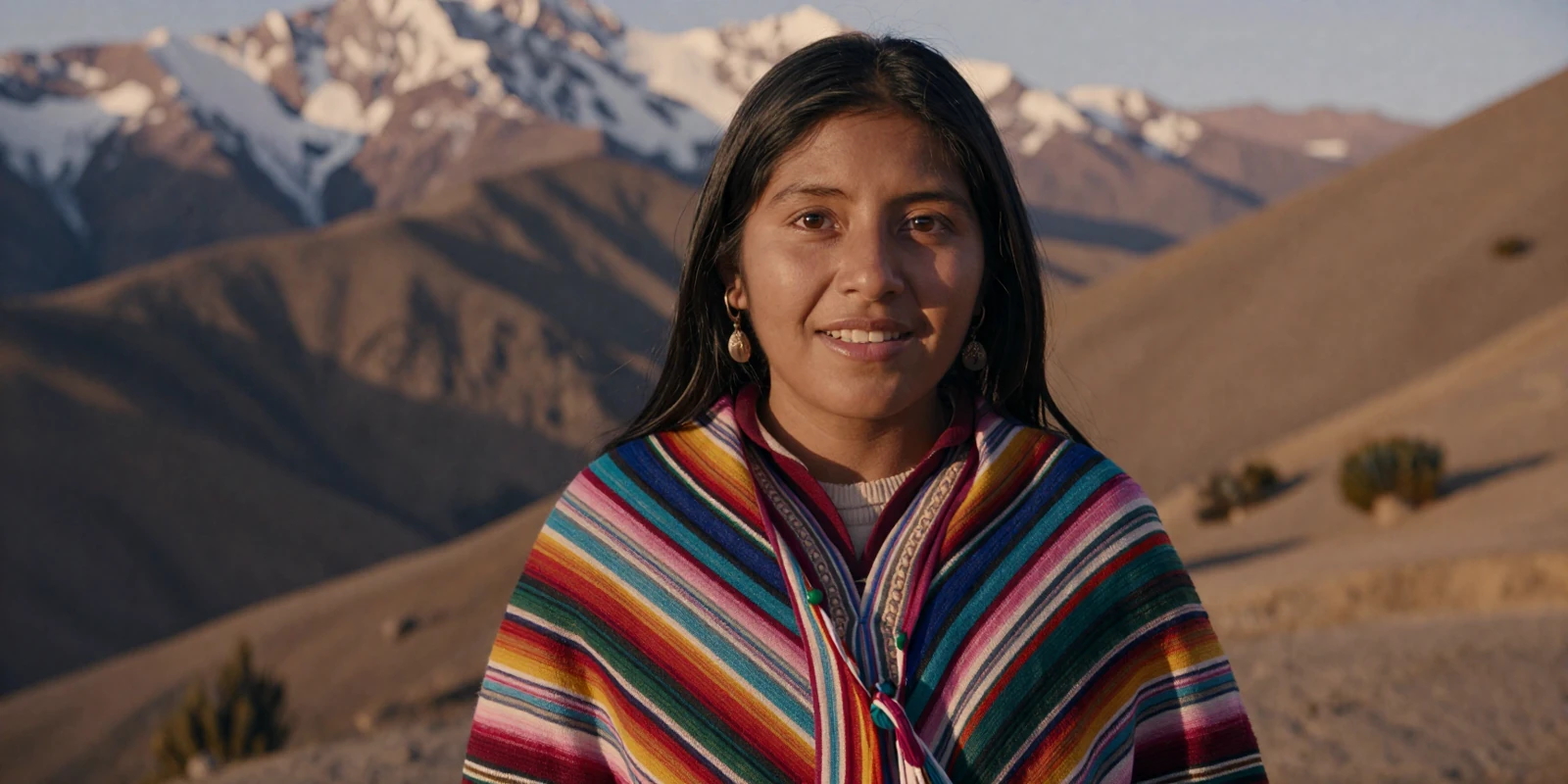
Discover the Genuine Hearts of Bolivian Women
Connect with 4,200+ verified Bolivian singles from La Paz and Santa Cruz who honor indigenous heritage, traditional values, and lifelong devotion
Meet Beautiful Bolivian Women Ready to Connect
Paola, 27
La Paz, Bolivia

Carla, 29
Santa Cruz, Bolivia
Alejandra, 25
Cochabamba, Bolivia
Daniela, 31
La Paz, Bolivia

Mariana, 26
Santa Cruz, Bolivia
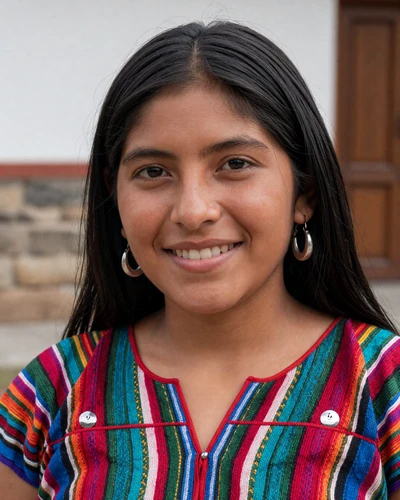
Valeria, 28
Sucre, Bolivia
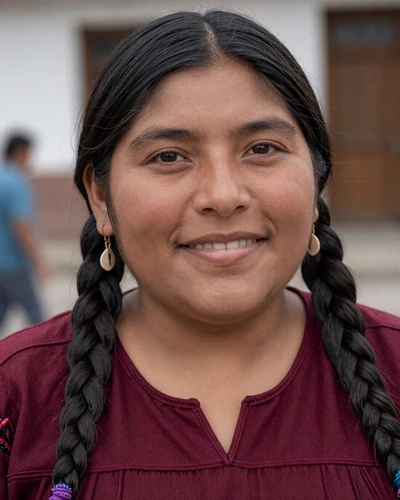
Rosa, 30
El Alto, Bolivia

Andrea, 24
Tarija, Bolivia
Bolivian Women's Unique Charm: Heritage Meets Humility
Bolivian women dating offers American men the opportunity to connect with partners who embody profound humility, deep cultural heritage, and unwavering devotion to family and tradition. With over 4,200 verified Bolivian singles on our platform from La Paz, Santa Cruz, Cochabamba, and Sucre, you'll discover women whose indigenous-Spanish heritage creates a unique blend of ancient wisdom and colonial Catholic values. Bolivian women combine striking indigenous beauty with mestizo features, profound respect for tradition and elders, genuine humility without pretense, fierce loyalty to family and partners, strong work ethic forged through hardship, and sincere religious devotion-creating partners who value substance, commitment, and lifelong partnership above material concerns or superficial attractions.
Bolivia stands apart from other South American countries through its overwhelming indigenous majority-approximately 68% of Bolivians identify as indigenous (primarily Aymara and Quechua), making Bolivia the most indigenous nation in Latin America. This demographic reality profoundly shapes Bolivian women's worldview, values, and approach to relationships. Unlike more European-influenced countries like Argentina or Uruguay, Bolivian culture centers indigenous traditions, communal values, respect for Pachamama (Mother Earth), and ancient relationship patterns that prioritize family, community, and spiritual connection over individualistic pursuits. This creates women who seek partners for life building rather than casual dating or short-term exploration.
Indigenous-Spanish Heritage and Cultural Depth
Bolivian women's physical appearance reflects the country's indigenous majority with remarkable diversity across regions. Highland women from La Paz, El Alto, and Oruro typically display pronounced indigenous Aymara or Quechua features-bronze to deep bronze skin tones, high cheekbones and distinctive indigenous facial structure, dark brown to black eyes with almond shapes, thick straight black hair often worn in traditional braids, and petite to medium builds adapted to high-altitude living. Lowland women from Santa Cruz, Trinidad, and Tarija show more mestizo (mixed indigenous-Spanish) characteristics-lighter tan to olive skin tones, more varied facial features blending indigenous and European ancestry, brown to hazel eyes, and wavy to straight dark brown or black hair with fuller builds typical of tropical climates.
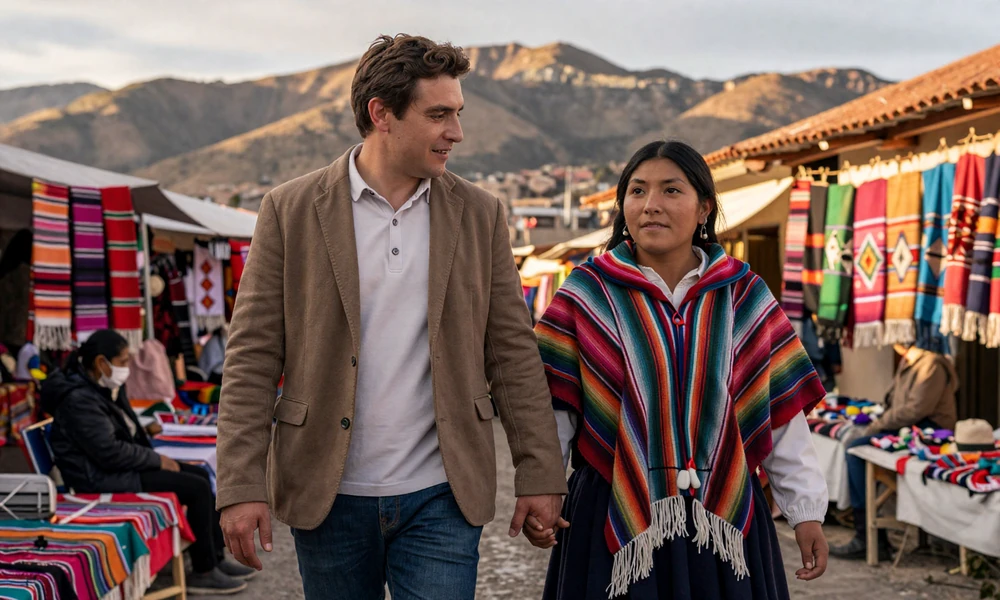
This indigenous heritage creates beauty that connects to ancient Andean civilizations and pre-Columbian traditions stretching back millennia. Bolivian women often maintain traditional dress elements-colorful woven textiles called aguayos used as shawls or baby carriers, traditional pollera (layered skirts) worn by highland women especially in formal contexts, bowler hats that have become iconic symbols of Bolivian highland culture, and intricate textile patterns representing specific communities and family lineages. This connection to indigenous traditions creates women who carry cultural depth and ancestral wisdom that Western cultures have largely lost in modernization processes.
What distinguishes Bolivian women is how indigenous heritage shapes their entire worldview rather than being merely surface-level cultural decoration. They maintain Andean philosophical concepts like ayni (reciprocity and mutual aid), suma qamaña (living well in harmony with community and nature), collective rather than individualistic orientation to problems and decisions, and profound respect for elders, tradition, and ancestral wisdom. These values create women who approach relationships through community lens rather than purely individual satisfaction-they consider how partnerships affect extended family, seek harmony and balance over conflict and drama, prioritize long-term stability over short-term excitement, and view commitment as sacred responsibility rather than optional convenience.
"My wife Paola has this incredible quality I've never experienced with other women-genuine humility without any trace of false modesty or self-deprecation. She doesn't need validation or constant praise. She knows her worth comes from her character, her devotion to family, and her ability to create a loving home. That depth of self-assurance grounded in traditional values rather than external validation has transformed how I view relationships and what actually matters in partnership." - Michael, 52, married to Paola from La Paz for 3 years
Traditional Values and Profound Humility
Bolivian women embrace traditional values with sincerity and depth increasingly rare in modern dating environments. They view relationships through lens of lifetime commitment, family building as central life purpose, women's role as family heart and home creator, respect for male leadership balanced with women's domestic authority, and faith (Catholic or indigenous spiritual traditions) as relationship foundation. These aren't values they pretend to hold to attract foreign men-they're deeply embedded cultural beliefs passed through generations and reinforced through daily community life, religious practice, and family expectations.
This traditional orientation manifests in genuine humility that American men find refreshingly authentic. Bolivian women display quiet confidence without arrogance or need for constant validation, focus on contributions to family rather than personal achievement showcase, gratitude for what they have rather than constant wanting more, service to others as source of dignity rather than self-promotion, and acceptance of life's hardships with resilience rather than victimhood. Growing up in one of South America's poorest countries creates women who understand that character, family, and spiritual wellbeing matter infinitely more than material accumulation or status performance.
However, humility doesn't mean weakness or lack of backbone in Bolivian women. They possess quiet strength forged through surviving genuine hardship-economic challenges requiring resourcefulness and creativity, high-altitude living demanding physical resilience (La Paz sits at 11,975 feet elevation), political instability requiring adaptability, and limited opportunities requiring determination and work ethic. Bolivian women combine gentleness with toughness, submission with dignity, service with self-respect, and traditional values with practical capability. They won't challenge male leadership on trivial matters, but they absolutely will stand firm on family wellbeing, children's needs, and moral principles when necessary.
Colorful Culture and Vibrant Traditions
Bolivian culture expresses itself through extraordinarily vibrant visual traditions that reflect indigenous heritage and Spanish colonial influence. Bolivian women maintain connection to this colorful cultural expression through traditional textiles and weavings featuring intricate patterns passed through generations, festival participation including Carnaval de Oruro (UNESCO World Heritage event) and Alasitas miniature festival, traditional foods like salteñas (savory pastries), anticuchos (grilled meat), and api (corn beverage), and folk music and dance traditions connecting to indigenous Andean roots. This cultural richness creates women who bring color, celebration, and meaningful tradition into family life rather than the cultural emptiness many American men experience in mainstream modern society.
The famous Bolivian textiles represent more than decorative arts-they carry profound meaning about identity, community, and ancestral connection. Each region maintains distinctive weaving patterns, color combinations indicate specific communities or family lineages, textile production teaches patience and precision to young women, and woven aguayos serve practical purposes (baby carriers, market bags, ceremonial items) while maintaining beauty. Bolivian women who maintain weaving traditions bring this same philosophy to relationships-combining beauty with utility, patience with skill, tradition with creativity, and function with meaningful symbolism.
This colorful cultural expression balances the profound humility that characterizes Bolivian women-they can be simultaneously humble in spirit while vibrant in cultural expression, simple in material needs while rich in tradition, quiet in demeanor while passionate about festivals and celebrations. Understanding this balance helps American men appreciate the depth and complexity of Bolivian women who defy simple categorization as either traditional/submissive or modern/independent. They integrate apparent contradictions into coherent cultural identity that's both ancient and contemporary, humble and proud, simple and sophisticated.
Highland & Lowland Culture: Regional Diversity in Bolivia
Bolivia's dramatic geographic diversity creates distinct regional cultures that shape women's characteristics, values, and approaches to relationships. Understanding highland (altiplano) versus lowland (llanos) differences helps American men navigate Bolivian dating landscape effectively and choose regions aligned with their preferences and compatibility needs.
Highland Women: La Paz, El Alto, and Andean Culture
Highland Bolivia-centered around La Paz (seat of government), El Alto (indigenous majority city), Oruro, and Potosí-maintains the strongest indigenous cultural preservation and most traditional values in the country. Highland women typically display more pronounced indigenous Aymara or Quechua identity and appearance, stronger adherence to traditional gender roles and family structures, deeper Catholic faith often blended with indigenous spiritual practices, greater respect for elders and community hierarchy, more conservative attitudes about courtship and physical intimacy, and preference for traditional marriage and family formation patterns. The harsh high-altitude environment creates women who are physically resilient, emotionally strong, and deeply grounded in community and tradition.
La Paz women specifically represent a fascinating blend of indigenous tradition with cosmopolitan influences. As Bolivia's de facto capital and largest city, La Paz exposes women to modern education, career opportunities, and global culture while maintaining strong indigenous identity. Many educated La Paz women speak Spanish, Aymara, and conversational English, work in professional roles while maintaining traditional family values, participate in indigenous festivals while engaging modern city life, and balance respect for tradition with openness to international relationships. This combination creates women who can navigate cross-cultural relationships while maintaining authentic Bolivian identity and values.
Highland dating culture emphasizes slow traditional progression with family involvement from early stages. Courtship typically involves formal family introductions within first 2-3 months, Sunday family gatherings as relationship milestone, limited physical contact before serious commitment, and expectation that men demonstrate provider capability through stable employment and financial responsibility. Highland women expect men to be respectful, patient with traditional courtship pace, genuinely interested in indigenous culture and traditions, willing to embrace high-altitude lifestyle challenges, and committed to serious relationship outcomes rather than casual dating experimentation. For American men seeking traditional partners who maintain strong cultural identity and family-centered values, highland women offer authentic connections to Bolivia's indigenous heritage.
Lowland Women: Santa Cruz and Tropical Influences
Lowland Bolivia-centered around Santa Cruz (Bolivia's largest and wealthiest city), Trinidad, Tarija, and tropical regions-reflects more mestizo (mixed) culture with stronger Spanish colonial influence and connections to Brazilian and Argentine cultures. Lowland women typically display more mestizo appearance with lighter skin tones and varied features, somewhat less traditional gender role adherence compared to highlands, greater openness to modern dating practices and relationship progression, influence from Santa Cruz's entrepreneurial commercial culture, warmer more outgoing temperaments shaped by tropical climate, and generally higher education levels and career orientation especially in Santa Cruz. The tropical environment and relative economic prosperity create women who combine traditional family values with more modern progressive attitudes.
Santa Cruz women specifically represent Bolivia's most cosmopolitan and modern female population. The city's economic dynamism as Bolivia's commercial center and its cultural connections to Brazil and Argentina create women who are entrepreneurial and business-minded while maintaining family values, fashion-conscious and style-aware without European sophistication pretensions, socially confident and outgoing compared to reserved highland women, more comfortable with physical affection and faster relationship progression, and open to diverse relationship models while still prioritizing marriage and family. Santa Cruz women often speak better English than highland counterparts due to business connections and tourism industry exposure.
Lowland dating culture moves somewhat faster than highland traditions while remaining more conservative than major Brazilian or Colombian cities. Dating typically involves more casual initial meetings with less immediate family involvement, greater social freedom for women to date without constant chaperones, more acceptance of physical affection and intimacy progression, and focus on compatibility and chemistry alongside traditional considerations. However, lowland women still maintain strong family orientation, expect serious intentions rather than casual dating, value male provider capability and stability, and ultimately seek marriage and children as life goals. They simply navigate the path to traditional outcomes through somewhat more modern dating practices.
Highland vs Lowland: Regional Comparison
Highland (La Paz)
- Strong indigenous (Aymara/Quechua) identity
- Most traditional values and gender roles
- Slow courtship with heavy family involvement
- Conservative physical intimacy expectations
- Deep Catholic/indigenous spiritual blend
- Petite builds adapted to high altitude
- Reserved temperaments, profound humility
- Strong connection to textile and weaving traditions
Lowland (Santa Cruz)
- More mestizo identity and Spanish influence
- Somewhat less traditional, more progressive
- Faster courtship with more individual autonomy
- More accepting of physical affection earlier
- Primarily Catholic without indigenous elements
- Fuller builds typical of tropical climates
- Outgoing warm temperaments, social confidence
- Fashion and business-oriented modern outlook
Climate Impact on Lifestyle and Temperament
Bolivia's extreme geographic diversity-from 12,000-foot Andean peaks to tropical Amazon basin-profoundly shapes women's physical characteristics, temperaments, and daily life patterns. Highland women adapt to harsh altitude conditions with remarkable resilience-smaller lung capacity and higher red blood cell counts for oxygen processing, slower-paced deliberate movements conserving energy at altitude, preference for warming foods and traditional dress protecting against cold, and stoic acceptance of physical challenges that builds mental toughness. This creates women who embody patience, endurance, and quiet strength forged through daily altitude challenges that most people never experience.
Lowland tropical climate creates dramatically different physical and temperamental characteristics. Tropical heat encourages more outgoing social temperaments and outdoor social life, warmer physical affection norms and tactile communication styles, faster-paced lifestyle without altitude constraints, preference for lighter foods and refreshing beverages, and greater emphasis on physical appearance and fashion in hot climate. These environmental differences aren't trivial-they fundamentally shape how women approach relationships, express emotions, and engage with partners in daily life.
American men should consider climate preferences when choosing between highland and lowland connections. If you value traditional reserved temperaments, deep spiritual groundedness, and partners who embody quiet strength through hardship, highland women align with these preferences. If you prefer warmer more outgoing personalities, faster relationship progression, and partners who combine modern outlook with traditional family values, lowland women offer better compatibility. Both regions produce wonderful partners-the key is honest self-assessment about which cultural and temperamental style matches your personality and relationship needs. Similar regional diversity exists in neighboring Peru and Ecuador, creating additional options for men seeking Andean cultural connections.
Bolivian Dating Traditions & Courtship Expectations
Successfully dating Bolivian women requires understanding traditional courtship expectations, family-centered relationship progression, and the balance between respect for tradition and cross-cultural relationship realities. American men who approach Bolivian dating with patience, genuine respect for cultural differences, and serious intentions find extraordinarily devoted partners who value loyalty and lifetime commitment above superficial attractions or material considerations.
Family-Centered Courtship Culture
Bolivian courtship revolves around family involvement, approval, and integration to degrees that surprise American men accustomed to individualistic dating. Dating someone in Bolivia means dating her entire extended family network, not just an individual woman. Courtship typically follows this progression: initial connection and conversation establishing basic compatibility, video chats including brief family introductions in background (not formal yet), first in-person meeting often occurring at family home or with family nearby, formal introduction to parents within first 2-3 months if relationship progresses seriously, Sunday family gatherings as relationship milestone indicating serious commitment, and engagement discussions involving both families' input and approval. This family integration process can feel overwhelming to Americans valuing privacy and independence, but it reflects Bolivian collective culture where individual relationships exist within family and community context rather than isolation.
Bolivian women expect men to demonstrate respect for family hierarchy through proper greeting protocols (respect for elders, formal address), gift-giving when visiting family (thoughtful items for parents, treats for children), participation in family gatherings even when language barriers exist, patience with family questions and evaluation of your suitability, and understanding that her loyalty to family will never diminish even after marriage. Men who view family involvement as intrusive interference rather than natural relationship context will struggle with Bolivian women who see family as life's foundation rather than optional social connection.
Catholic and Indigenous Spiritual Values
Religion and spirituality shape Bolivian women's relationship values profoundly-approximately 76% of Bolivians identify as Catholic, with many highland indigenous people blending Catholicism with traditional Andean spiritual practices in syncretic belief systems. Bolivian women typically view marriage as sacred covenant blessed by God rather than legal contract between individuals, believe children are divine gifts and family building is spiritual calling, respect traditional gender roles as divinely ordained natural order, value sexual purity before marriage (varies by generation and region), and see faith as relationship foundation providing moral framework and community support. Even women who aren't actively religious often maintain cultural Catholic values around marriage, family, and gender roles that shape relationship expectations.
Indigenous spiritual traditions add additional layers for highland women who maintain Aymara or Quechua identity. They often practice rituals honoring Pachamama (Mother Earth), participate in traditional ceremonies and festivals with spiritual significance, consult yatiris (traditional healers) for guidance on relationships and family matters, maintain household shrines with both Catholic and indigenous elements, and view relationships through lens of reciprocity (ayni) and community harmony. American men don't need to convert or adopt these beliefs, but showing genuine respect for her faith, willingness to participate in religious and cultural ceremonies, and understanding that spirituality guides her values builds essential foundation for cross-cultural relationships.
Navigating Machismo Culture with Respect
Bolivia maintains traditional machismo culture with expectations for male leadership, provider roles, and masculine authority balanced against deep respect for mothers and female domestic power. Bolivian women expect men to demonstrate leadership through decision-making on major family matters, financial provision and protection of family, confidence without arrogance or abuse of authority, and respect for her authority in domestic sphere and child-rearing decisions. This traditional structure can feel uncomfortable for American men raised with egalitarian relationship ideals, but Bolivian women genuinely prefer this arrangement when implemented with respect and mutual appreciation rather than domination and control.
However, American men must understand that Bolivian machismo culture also creates behaviors Bolivian women want to escape through international relationships-excessive jealousy and possessiveness becoming controlling, infidelity justified as masculine prerogative, domestic violence tolerated through cultural normalization, and economic control used to limit women's autonomy and options. Bolivian women seeking American partners often desire men who provide traditional masculine leadership and protection without the destructive machismo behaviors that plague many Bolivian relationships. They want providers not controllers, leaders not dictators, protectors not jailers. American men who understand this distinction-offering traditional masculine strengths without toxic machismo manifestations-become extraordinarily attractive to Bolivian women tired of choosing between modernization losing family values or tradition including abuse patterns.
"My girlfriend Daniela explained that she wants a man who leads with strength but listens with humility, who provides for his family without controlling every decision, who protects his wife without isolating her from family and community. She said American men often provide this balance better than Bolivian men who confuse leadership with domination or modern men who've abandoned leadership entirely. Understanding that distinction-traditional masculine leadership without toxic control-was key to building trust with her and her family." - Thomas, 49, dating Daniela from La Paz for 18 months
Demonstrating Provider Capability
Economic considerations matter significantly in Bolivian dating culture due to Bolivia's status as South America's poorest country with GDP per capita around $3,500 (compared to $70,000+ in USA). Bolivian women seeking international relationships often desire economic stability and security impossible to achieve in Bolivia's limited economy. However, this economic motivation shouldn't be misinterpreted as mere gold-digging or desperation-it's practical acknowledgment that providing for families requires resources Bolivia often cannot offer. Bolivian women expect men to demonstrate stable employment with consistent income, financial responsibility through savings and planning, ability to support family including extended family assistance when needed, and willingness to provide better opportunities for children through education and healthcare.
American men should be prepared to discuss financial situations honestly while avoiding either boasting about wealth or downplaying capabilities. Bolivian women appreciate transparency about financial realities and expectations. They understand international relationships require significant investment-travel costs, immigration fees, relocation expenses, and eventual extended family support expectations. Men who present themselves as financially stable while actually struggling create devastating disappointment and breach of trust. Similarly, men who assume any financial stability automatically guarantees relationship success miss the point-Bolivian women want providers who demonstrate character, respect, and genuine love alongside economic capability. Money matters but never substitutes for authentic connection, cultural respect, and faithful partnership.
Family Expectations in Bolivian Relationships
Family dynamics in Bolivian culture operate according to traditional multi-generational patterns that shape relationship expectations, living arrangements, financial obligations, and daily life rhythms. American men must understand and genuinely accept these family patterns rather than viewing them as obstacles to overcome or traditions to eliminate once relocation occurs.
Multi-Generational Household Norms
Bolivian women typically live with parents until marriage regardless of age or financial independence-this isn't failure to launch but cultural expectation about family cohesion and protection of unmarried daughters. Multi-generational households remain standard with married couples often living with or near parents especially in early marriage years, elderly parents moving in with adult children as care needs increase, and extended family members (siblings, cousins, aunts/uncles) frequently sharing households during financial challenges or life transitions. This creates family systems where privacy is limited, individual space is negotiable, and collective needs often supersede individual preferences.
American men should prepare for your Bolivian partner's expectations about family proximity and involvement after marriage. She will likely expect regular video calls with family (often daily), financial remittances to family in Bolivia especially for elderly parents or struggling siblings, potential future arrangement for parents to move to USA in old age, extended family visits lasting weeks or months, and your home serving as guest house for visiting family members. These expectations aren't negotiable or signs of unhealthy family enmeshment-they're normal Bolivian family obligations that she'll maintain regardless of geographic distance. Men who cannot genuinely embrace these realities should reconsider pursuing Bolivian relationships rather than assuming she'll eventually "Americanize" and abandon family responsibilities.
Extended Family Decision Influence
Major life decisions in Bolivian culture involve extended family consultation and input to degrees Americans find intrusive. Decisions about marriage timing and partner choice receive family input and require approval, career and education paths consider family needs alongside individual goals, financial decisions include family impact assessment especially regarding assistance obligations, child-rearing approaches reflect multi-generational input and grandmother authority, and geographic moves require family consensus rather than individual couple decisions alone. This collective decision-making reflects indigenous Andean communal values and Catholic emphasis on family as primary social unit transcending individual preferences.
Your Bolivian partner will likely consult family about relationship decisions even when you view them as private couple matters. She may discuss intimate details about relationship challenges with her mother, seek father's advice about financial decisions you view as couple-only territory, consider siblings' opinions about parenting approaches, and factor extended family needs into decisions about employment, housing, and resource allocation. This isn't betrayal of couple privacy or failure to establish appropriate boundaries-it's normal Bolivian family communication pattern where boundaries between couple and family remain permeable rather than rigid. Learning to accept and even appreciate family wisdom input rather than viewing it as unwelcome interference builds harmony and demonstrates respect for cultural differences.
Respect for Elders as Absolute Law
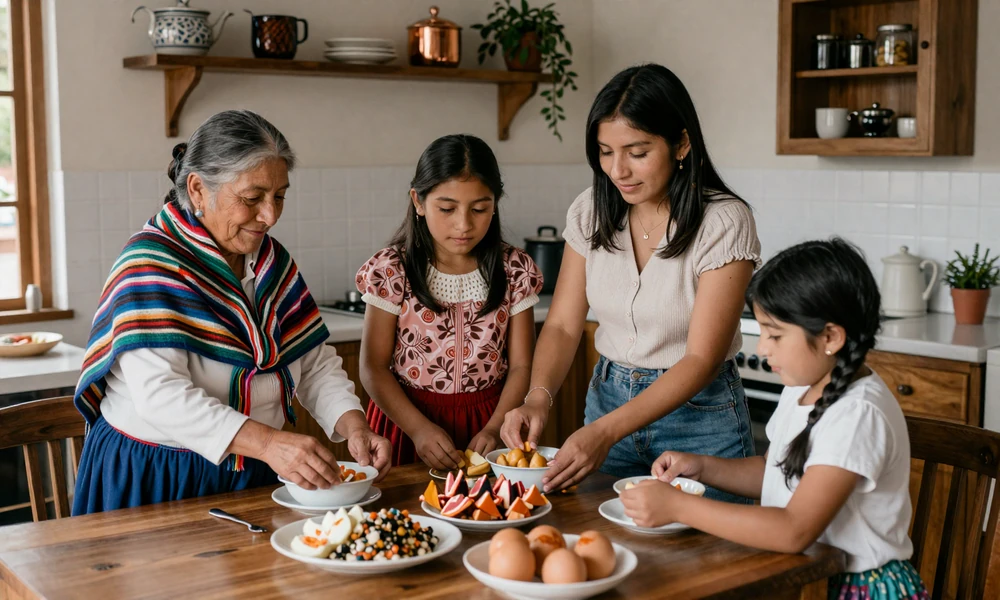
Elder respect reaches profound depths in Bolivian culture combining indigenous reverence for ancestral wisdom with Catholic honoring of parents commandment. Elders receive automatic respect and authority regardless of their actual wisdom or capability, their opinions carry disproportionate weight in family decisions, disagreeing directly with elders is considered deeply disrespectful, and adult children maintain filial obedience far beyond American cultural norms. Your Bolivian partner's parents and grandparents will expect your respect, deference, and consultation on family matters throughout your marriage regardless of whether you find their input helpful or relevant.
American men often struggle with elder authority expectations especially when grandparents insert themselves into parenting decisions, parents expect financial support you view as excessive, or elder opinions conflict with modern childrearing research or practical realities. Learning to show respect while maintaining appropriate couple authority requires cultural sensitivity and diplomatic skill. You must balance honoring her obligation to respect elders with establishing your marriage and nuclear family as primary unit not indefinitely subordinate to parents. This navigation varies by couple and requires honest discussion about where traditional elder authority appropriately applies versus where couple autonomy takes precedence. Similar family dynamics exist throughout Andean cultures including Peru and Ecuador, though specific expectations vary by country and region.
Women as Family Center and Home Managers
Bolivian women occupy central position as family emotional heart, domestic sphere manager, and primary child-rearing authority while men handle external provision and family representation. Women expect absolute authority over household management including cooking, cleaning, and home organization decisions, primary responsibility for children's daily care and early education, emotional support role for all family members, and health management including traditional remedies and medical decisions. In exchange, women expect husbands to provide financially, handle external family representation and protection, respect her domestic authority without micromanaging, and support her parenting approaches without constant second-guessing.
This traditional division of labor works effectively when both partners respect their respective spheres of authority and contribute their specialized skills to family wellbeing. Problems arise when men either abdicate provider responsibility while expecting domestic service, or micromanage domestic sphere without respecting her expertise and authority in areas she manages. Bolivian women aren't servants requiring male direction in household tasks-they're domestic executives managing complex operations requiring intelligence, skill, and decision-making capability. Respecting her authority in home management while fulfilling provider responsibilities creates harmonious traditional partnerships where both partners feel valued and essential.
Understanding Bolivian Family Obligations
- Financial remittances: Expect to send $100-300 monthly to her parents especially after marriage-this isn't optional charity but family obligation
- Extended visits: Her family will visit for weeks during holidays and special occasions requiring hosting and financial support
- Emergency assistance: Medical emergencies, home repairs, and economic crises will require financial help you may consider excessive but she views as essential
- Parent retirement care: Be prepared for potential future arrangement where aging parents live with you or nearby requiring ongoing support
- Sibling support: She'll feel obligated to help siblings with education costs, business ventures, or family crises as resources permit
- Godparent responsibilities: If you become godparents to nieces/nephews, expect significant financial and emotional obligations in that role
- Cultural transmission: She'll want children to maintain Bolivian language, culture, and family connections requiring regular Bolivia visits
- Holiday travel: Expect to visit Bolivia every 1-2 years with costs reaching $3,000-5,000 per family trip for flights and gifts
Common Questions About Dating Bolivian Women
Indigenous Bolivian women (primarily Aymara and Quechua) maintain stronger connection to traditional culture, dress, and values with more pronounced indigenous physical features, deeper adherence to communal decision-making and reciprocity values, stronger indigenous language use alongside Spanish, and more conservative attitudes about gender roles and courtship. Mestizo women show more Spanish-influenced features and culture, somewhat more progressive attitudes while maintaining traditional family values, primarily Spanish language use, and greater openness to modern dating practices. Both groups value family deeply and seek serious committed relationships, but indigenous women generally expect slower more traditional courtship while mestizo women allow somewhat faster progression while still maintaining conservative values compared to US standards.
Language barriers vary significantly by region and education level. Approximately 45% of Bolivian women on our platform speak conversational to fluent English, particularly educated women from La Paz and Santa Cruz. However, many Bolivian women speak only Spanish or Spanish plus indigenous languages (Aymara or Quechua). Our built-in translation tools provide Spanish-English communication support. Learning Spanish is highly recommended and demonstrates genuine cultural respect and commitment. Highland women may also speak indigenous languages creating additional layers, though Spanish serves as common language. Patience with language learning, willingness to use translation tools, and commitment to learning Spanish significantly improve relationship quality and family integration.
Dating Bolivian women requires moderate investment. Flights from major US cities to La Paz or Santa Cruz cost $650-$900 roundtrip (9.5-12 hours with connections), hotels range from $35-$120 per night with comfortable mid-range options at $50-70, dates cost $40-$100 depending on restaurant quality and activities. A typical 7-day Bolivia trip costs $1,800-$3,200 including flights, accommodation, dates, gifts for her and family, and experiences. Premium membership on our platform is $29.99/month. Bolivia is significantly more affordable than most Latin American countries. Bolivian women appreciate thoughtful gestures and quality time more than expensive displays. Gift-giving for her family is culturally important though inexpensive by US standards.
While economic motivation is real-Bolivia is South America's poorest country with limited opportunities-most Bolivian women seek genuine partnerships offering both financial stability and authentic love. They want providers who also offer respect, faithfulness, emotional connection, and family commitment. Bolivian women can distinguish between men offering genuine partnership versus those buying subservient wives or women viewing men as only ATMs versus desiring real relationships. Signs of genuine interest include engaging conversations beyond money topics, eagerness for video chats showing daily life, patience about meeting when financially feasible, sharing family and cultural details, never requesting money directly, and discussing mutual future building rather than only financial benefits. Economic stability matters but never replaces character, respect, and authentic connection.
Bolivian women maintain very traditional gender role expectations by US standards. They view men as family providers and protectors with decision-making authority on major matters, women as home managers with absolute domestic authority and primary child-rearing responsibility, and these roles as divinely ordained natural order rather than oppressive social constructs. Most Bolivian women prefer this traditional arrangement when implemented with mutual respect rather than domination. They want masculine leadership without toxic machismo behaviors like controlling jealousy, infidelity, or violence. Bolivian women work outside the home when economically necessary but view homemaking as primary female calling. They expect chivalry, financial provision, and male leadership while providing domestic excellence, child-rearing expertise, and fierce family devotion. Men seeking egalitarian partnerships with identical roles should look elsewhere.
The K-1 fiancé visa process for bringing a Bolivian wife to the USA typically takes 12-18 months from initial filing to visa approval. Process includes filing Form I-129F petition with USCIS, her completing background checks and medical examination in Bolivia, and attending interview at US Embassy in La Paz. Total costs range from $2,800-$5,500 including fees, medical exams, travel, documentation, and legal assistance if needed. Bolivia has moderate visa approval rates-demonstrating genuine relationship through photos, communication records, meeting evidence, and shared financial planning is essential. Limited English proficiency may require additional documentation proving relationship authenticity. Starting visa process after meeting in person at least once significantly improves approval chances.
Bolivia's high-altitude cities present real health challenges for visitors. La Paz sits at 11,975 feet (3,650m) elevation-world's highest capital city. El Alto reaches 13,615 feet (4,150m). Altitude sickness (soroche) commonly affects visitors causing headaches, nausea, fatigue, shortness of breath, and difficulty sleeping. Prevention and management strategies include: arriving at lower elevation first (Santa Cruz at 1,365 feet) and ascending gradually, drinking coca tea (mate de coca) which locals use for altitude adjustment, staying hydrated and avoiding alcohol first few days, eating light meals and avoiding heavy exercise initially, and considering altitude medication (acetazolamide) prescribed before travel. Most people adjust within 2-4 days. Bolivian women understand altitude challenges and will help you adjust. If visiting highland regions, plan extra time for acclimatization and don't schedule intensive activities first days.
Genuine Bolivian women show interest through culturally engaged conversations about Bolivia, family, and traditions, frequent video chats showing her real environment and daily life, sharing detailed family information including introducing family members on video, discussing her life circumstances honestly including economic challenges, patience about meeting timelines based on financial realities, never requesting money for emergencies or travel, and focusing on relationship building rather than constantly mentioning material needs. Red flags include early money requests, avoiding video chat or having technical excuses, inconsistent details about family or location, pushing for quick marriage without meeting, claiming emergencies requiring financial help, and excessive focus on US life benefits rather than genuine connection. Our verification system and profile reviews help identify genuine members. Always video chat extensively and meet in person before financial commitments.